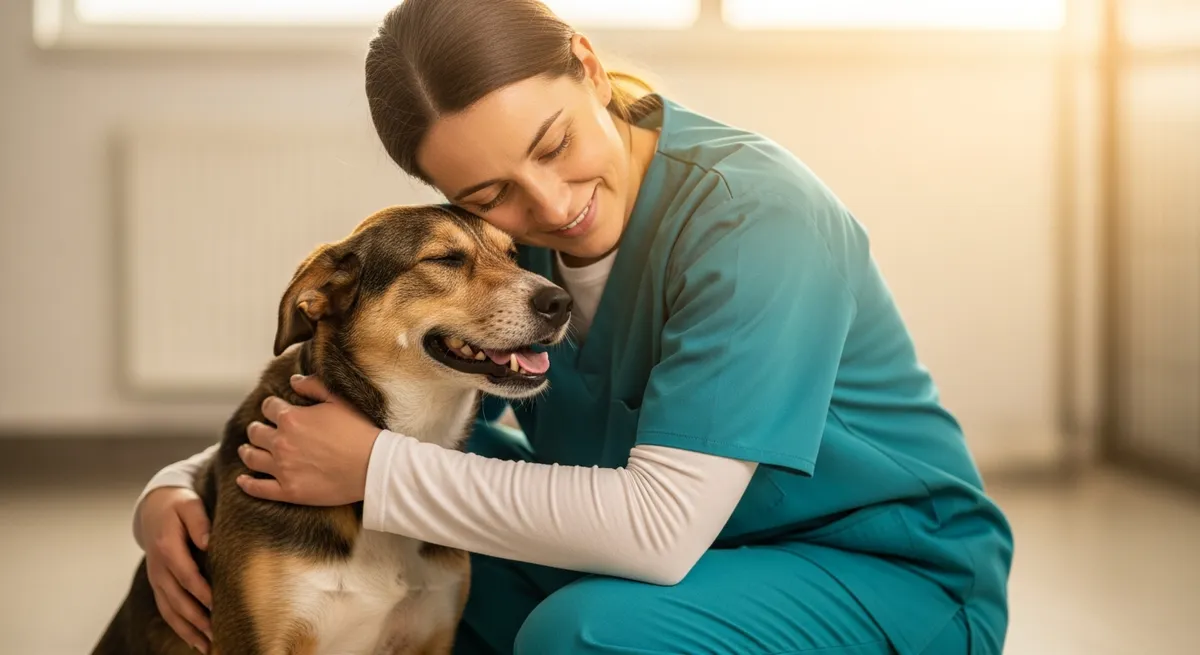
There is a number that haunts shelter workers in July, and it is not on any adoption poster. It is the kennel count. When intake outpaces adoptions for weeks on end — as it does almost every summer — a shelter runs out of physical space. And when a shelter runs out of space, the most heartbreaking decisions in animal welfare get put on the table. This is the uncomfortable truth behind a phrase that can sound like a slogan: summer adoptions save lives. They literally do.
Let us look at the math, honestly and without melodrama, so you understand exactly what your decision to adopt sets in motion.
The capacity math
A shelter has a fixed number of kennels and cages. Call it 100 for simplicity. Animals arrive — strays, owner surrenders, transfers, and during summer, litter after litter of kittens. Animals also leave — through adoption, reclaim by owners, transfer to rescues, and foster placement.
When arrivals consistently exceed departures, the shelter fills. There is no overflow warehouse. Once every kennel holds an animal and more keep coming through the door, staff face an impossible equation: where does the next animal go? In a well-resourced shelter, the answer is creative — emergency foster, transport to a less-crowded region, urgent adoption promotions. In a shelter pushed past its limits, the answer can be euthanasia of healthy, adoptable animals simply because there is no room. Not because anyone wants to. Because the building is full.
Summer makes this worse — much worse
The crowding is not random. Summer stacks several pressures at once, which we cover in why shelters often fill up during summer:
- Kitten season floods shelters with litters from spring through fall — see what is kitten season and why does it matter?.
- More strays as pets roam, escape during travel, and bolt from summer fireworks — read why more pets go missing during summer.
- More surrenders tied to summer moves, vacations, and tightening budgets.
Intake spikes exactly when many would-be adopters are distracted by their own travel. The gap between animals coming in and animals going out widens — and the kennel count climbs.
How one adoption ripples outward
Here is the encouraging part. Because the system is about space, a single adoption does more than rehome one animal. It triggers a chain:
1. You adopt one pet. That animal gets a home — the obvious win.
2. A kennel opens. The shelter can now take in the next stray or surrender without going over capacity.
3. Pressure eases on every animal. A less-crowded shelter means lower disease transmission, calmer animals, and staff with the bandwidth to give each one proper care.
4. A life-or-death decision is avoided. The animal that would have been squeezed out by overcrowding now has room to wait for its own adopter.
That is why shelter staff are not exaggerating when they say your adoption saved more than one life. It moved the whole line forward.
Adoption is not the only lever — but it is a powerful one
If you cannot adopt right now, you can still relieve the capacity crunch. Fostering, in particular, is the pressure-release valve shelters depend on all summer:
- Foster a litter, a recovering animal, or a stressed dog to free a kennel temporarily.
- Volunteer to help overwhelmed staff keep animals healthy and adoptable.
- Donate supplies or funds when intake outstrips the budget.
- Share adoptable-pet posts so the right matches happen faster.
We lay out all of these in the best ways to help shelter pets this summer and the summer surge: when shelters need community support most. Every one of them buys space and time.
Why adopting is also the better experience
Saving a life and getting a wonderful pet are not a tradeoff — they are the same act. Shelter animals are vaccinated, typically spayed or neutered, and assessed by staff who can tell you about each one's temperament. You are not gambling on an unknown; you are choosing a known companion with a clean medical start.
And increasingly, that start is genuinely modern. At shelters running PawMates Pro, your adopted pet comes with a real digital profile — vaccines, medications, allergies, and behavioral notes — that becomes a lifetime medical record. With your consent, it can be shared straight to your own veterinarian through the PawMates and VetPetz bridge, all tied to a durable PawMates Pet ID rather than to a fragile microchip-registry entry. (The chip is just the lookup key — see the biggest misconceptions about pet microchips.) Tools like this also help shelters move animals through the system faster and more humanely, which means the capacity math tilts back toward life. (For the bigger vision, read the future of connected pet care.)
The bottom line
Summer is the season when shelters are most full and most strained — which makes it the season when your decision matters most. Adopt if you can. Foster if you cannot. Donate or volunteer or simply share a post if that is what you have to give. Each action opens space, and in an overcrowded summer shelter, space is the most precious thing there is. That is not a slogan. That is the math of saving lives.
Frequently asked questions
Do adoptions really save lives?
Yes. Shelters have fixed capacity, and when summer intake outpaces adoptions, healthy adoptable animals can be at risk simply because there is no room. Each adoption opens a kennel for the next animal, which is why one adoption can save more than one life.
Why are shelters so overcrowded in summer?
Kitten season, more roaming and lost pets, and a spike in moving- and vacation-related surrenders all increase intake at once — often while would-be adopters are away traveling.
If I cannot adopt, how can I still help save lives?
Fostering frees a kennel temporarily and is enormously helpful during the summer surge. Volunteering, donating supplies or funds, and sharing adoptable-pet listings all relieve capacity too.
Are shelter pets healthy?
Shelter animals are typically vaccinated, spayed or neutered, and temperament-assessed by staff. At shelters using PawMates Pro, you also receive a real medical profile that becomes a shareable lifetime record for your own veterinarian.
Related reading
- Why summer is a great time to adopt a pet — the upside for you and the animals.
- Why shelters often fill up during summer — what drives the seasonal crunch.
- The summer surge: when shelters need community support most — how to help when you cannot adopt.
For more adoption and pet-care guides, browse the PawMates adopter blog.