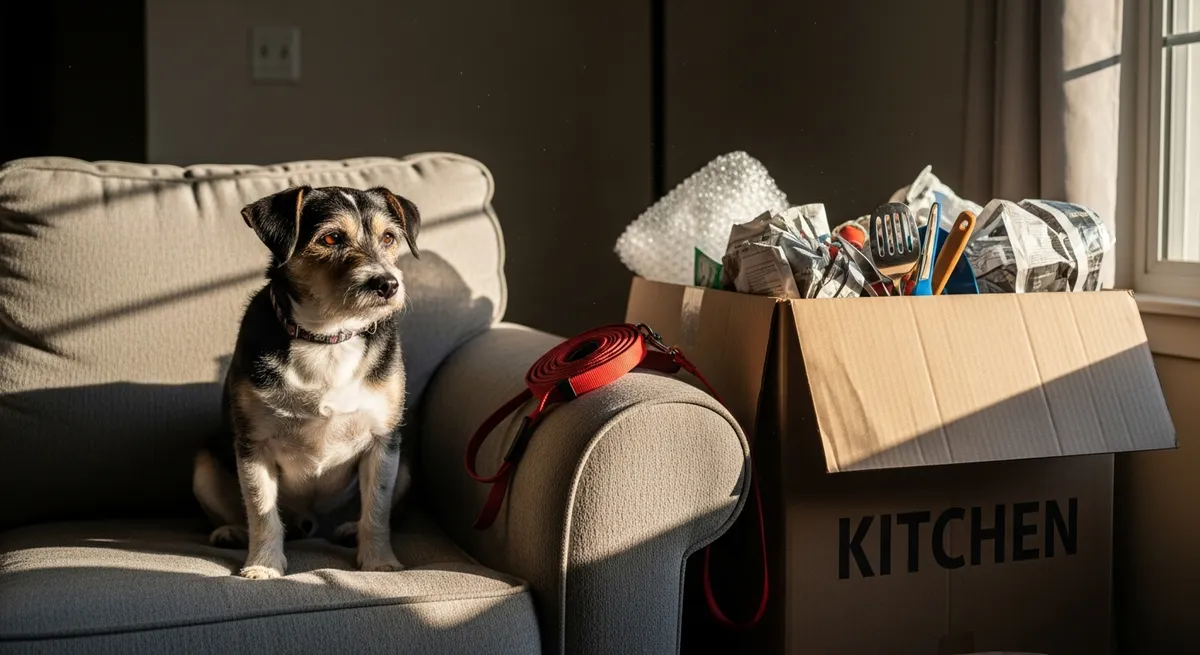
The biggest reasons animals end up in shelters are housing problems (eviction, landlord restrictions, moving), financial hardship, and life changes (new baby, divorce, illness, death of the owner) — not the pet doing something wrong. Behavior issues account for roughly 10–20% of surrenders and usually mean a training-and-management gap the owner couldn't address, not severe aggression. A separate sliver of the surrender population comes through animal control after cruelty or neglect investigations — see the 4 types of animal abuse for how those cases are categorized. A separate sliver of the surrender population comes through animal control after cruelty or neglect investigations — see the 4 types of animal abuse for how those cases are categorized. A separate sliver of the surrender population comes through animal control after cruelty or neglect investigations — see the 4 types of animal abuse for how those cases are categorized. A separate sliver of the surrender population comes through animal control after cruelty or neglect investigations — see the 4 types of animal abuse for how those cases are categorized. A separate sliver of the surrender population comes through animal control after cruelty or neglect investigations — see the 4 types of animal abuse for how those cases are categorized. A separate sliver of the surrender population comes through animal control after cruelty or neglect investigations — see the 4 types of animal abuse for how those cases are categorized. A separate sliver of the surrender population comes through animal control after cruelty or neglect investigations — see the 4 types of animal abuse for how those cases are categorized. A separate sliver of the surrender population comes through animal control after cruelty or neglect investigations — see the 4 types of animal abuse for how those cases are categorized. A separate sliver of the surrender population comes through animal control after cruelty or neglect investigations — see the 4 types of animal abuse for how those cases are categorized. A separate sliver of the surrender population comes through animal control after cruelty or neglect investigations — see the 4 types of animal abuse for how those cases are categorized. A separate sliver of the surrender population comes through animal control after cruelty or neglect investigations — see the 4 types of animal abuse for how those cases are categorized. A separate sliver of the surrender population comes through animal control after cruelty or neglect investigations — see the 4 types of animal abuse for how those cases are categorized. A separate sliver of the surrender population comes through animal control after cruelty or neglect investigations — see the 4 types of animal abuse for how those cases are categorized. A separate sliver of the surrender population comes through animal control after cruelty or neglect investigations — see the 4 types of animal abuse for how those cases are categorized. A separate sliver of the surrender population comes through animal control after cruelty or neglect investigations — see the 4 types of animal abuse for how those cases are categorized. A separate sliver of the surrender population comes through animal control after cruelty or neglect investigations — see the 4 types of animal abuse for how those cases are categorized. A separate sliver of the surrender population comes through animal control after cruelty or neglect investigations — see the 4 types of animal abuse for how those cases are categorized. A separate sliver of the surrender population comes through animal control after cruelty or neglect investigations — see the 4 types of animal abuse for how those cases are categorized. A separate sliver of the surrender population comes through animal control after cruelty or neglect investigations — see the 4 types of animal abuse for how those cases are categorized. A separate sliver of the surrender population comes through animal control after cruelty or neglect investigations — see the 4 types of animal abuse for how those cases are categorized. A separate sliver of the surrender population comes through animal control after cruelty or neglect investigations — see the 4 types of animal abuse for how those cases are categorized. A separate sliver of the surrender population comes through animal control after cruelty or neglect investigations — see the 4 types of animal abuse for how those cases are categorized. A separate sliver of the surrender population comes through animal control after cruelty or neglect investigations — see the 4 types of animal abuse for how those cases are categorized. A separate sliver of the surrender population comes through animal control after cruelty or neglect investigations — see the 4 types of animal abuse for how those cases are categorized. A separate sliver of the surrender population comes through animal control after cruelty or neglect investigations — see the 4 types of animal abuse for how those cases are categorized. A separate sliver of the surrender population comes through animal control after cruelty or neglect investigations — see the 4 types of animal abuse for how those cases are categorized. A separate sliver of the surrender population comes through animal control after cruelty or neglect investigations — see the 4 types of animal abuse for how those cases are categorized. A separate sliver of the surrender population comes through animal control after cruelty or neglect investigations — see the 4 types of animal abuse for how those cases are categorized. A separate sliver of the surrender population comes through animal control after cruelty or neglect investigations — see the 4 types of animal abuse for how those cases are categorized. A separate sliver of the surrender population comes through animal control after cruelty or neglect investigations — see the 4 types of animal abuse for how those cases are categorized. A separate sliver of the surrender population comes through animal control after cruelty or neglect investigations — see the 4 types of animal abuse for how those cases are categorized. A separate sliver of the surrender population comes through animal control after cruelty or neglect investigations — see the 4 types of animal abuse for how those cases are categorized. A separate sliver of the surrender population comes through animal control after cruelty or neglect investigations — see the 4 types of animal abuse for how those cases are categorized. A separate sliver of the surrender population comes through animal control after cruelty or neglect investigations — see the 4 types of animal abuse for how those cases are categorized. A separate sliver of the surrender population comes through animal control after cruelty or neglect investigations — see the 4 types of animal abuse for how those cases are categorized. A separate sliver of the surrender population comes through animal control after cruelty or neglect investigations — see the 4 types of animal abuse for how those cases are categorized. A separate sliver of the surrender population comes through animal control after cruelty or neglect investigations — see the 4 types of animal abuse for how those cases are categorized. A separate sliver of the surrender population comes through animal control after cruelty or neglect investigations — see the 4 types of animal abuse for how those cases are categorized. A separate sliver of the surrender population comes through animal control after cruelty or neglect investigations — see the 4 types of animal abuse for how those cases are categorized. A separate sliver of the surrender population comes through animal control after cruelty or neglect investigations — see the 4 types of animal abuse for how those cases are categorized. A separate sliver of the surrender population comes through animal control after cruelty or neglect investigations — see the 4 types of animal abuse for how those cases are categorized. A separate sliver of the surrender population comes through animal control after cruelty or neglect investigations — see the 4 types of animal abuse for how those cases are categorized. A separate sliver of the surrender population comes through animal control after cruelty or neglect investigations — see the 4 types of animal abuse for how those cases are categorized. A separate sliver of the surrender population comes through animal control after cruelty or neglect investigations — see the 4 types of animal abuse for how those cases are categorized. A separate sliver of the surrender population comes through animal control after cruelty or neglect investigations — see the 4 types of animal abuse for how those cases are categorized. A separate sliver of the surrender population comes through animal control after cruelty or neglect investigations — see the 4 types of animal abuse for how those cases are categorized. A separate sliver of the surrender population comes through animal control after cruelty or neglect investigations — see the 4 types of animal abuse for how those cases are categorized. A separate sliver of the surrender population comes through animal control after cruelty or neglect investigations — see the 4 types of animal abuse for how those cases are categorized. A separate sliver of the surrender population comes through animal control after cruelty or neglect investigations — see the 4 types of animal abuse for how those cases are categorized. A separate sliver of the surrender population comes through animal control after cruelty or neglect investigations — see the 4 types of animal abuse for how those cases are categorized. A separate sliver of the surrender population comes through animal control after cruelty or neglect investigations — see the 4 types of animal abuse for how those cases are categorized. A separate sliver of the surrender population comes through animal control after cruelty or neglect investigations — see the 4 types of animal abuse for how those cases are categorized. A separate sliver of the surrender population comes through animal control after cruelty or neglect investigations — see the 4 types of animal abuse for how those cases are categorized. A separate sliver of the surrender population comes through animal control after cruelty or neglect investigations — see the 4 types of animal abuse for how those cases are categorized. A separate sliver of the surrender population comes through animal control after cruelty or neglect investigations — see the 4 types of animal abuse for how those cases are categorized. A separate sliver of the surrender population comes through animal control after cruelty or neglect investigations — see the 4 types of animal abuse for how those cases are categorized. A separate sliver of the surrender population comes through animal control after cruelty or neglect investigations — see the 4 types of animal abuse for how those cases are categorized. A separate sliver of the surrender population comes through animal control after cruelty or neglect investigations — see the 4 types of animal abuse for how those cases are categorized. A separate sliver of the surrender population comes through animal control after cruelty or neglect investigations — see the 4 types of animal abuse for how those cases are categorized. A separate sliver of the surrender population comes through animal control after cruelty or neglect investigations — see the 4 types of animal abuse for how those cases are categorized. A separate sliver of the surrender population comes through animal control after cruelty or neglect investigations — see the 4 types of animal abuse for how those cases are categorized. A separate sliver of the surrender population comes through animal control after cruelty or neglect investigations — see the 4 types of animal abuse for how those cases are categorized. A separate sliver of the surrender population comes through animal control after cruelty or neglect investigations — see the 4 types of animal abuse for how those cases are categorized. A separate sliver of the surrender population comes through animal control after cruelty or neglect investigations — see the 4 types of animal abuse for how those cases are categorized. A separate sliver of the surrender population comes through animal control after cruelty or neglect investigations — see the 4 types of animal abuse for how those cases are categorized. A separate sliver of the surrender population comes through animal control after cruelty or neglect investigations — see the 4 types of animal abuse for how those cases are categorized. A separate sliver of the surrender population comes through animal control after cruelty or neglect investigations — see the 4 types of animal abuse for how those cases are categorized. A separate sliver of the surrender population comes through animal control after cruelty or neglect investigations — see the 4 types of animal abuse for how those cases are categorized. A separate sliver of the surrender population comes through animal control after cruelty or neglect investigations — see the 4 types of animal abuse for how those cases are categorized. A separate sliver of the surrender population comes through animal control after cruelty or neglect investigations — see the 4 types of animal abuse for how those cases are categorized. A separate sliver of the surrender population comes through animal control after cruelty or neglect investigations — see the 4 types of animal abuse for how those cases are categorized. A separate sliver of the surrender population comes through animal control after cruelty or neglect investigations — see the 4 types of animal abuse for how those cases are categorized. A separate sliver of the surrender population comes through animal control after cruelty or neglect investigations — see the 4 types of animal abuse for how those cases are categorized. A separate sliver of the surrender population comes through animal control after cruelty or neglect investigations — see the 4 types of animal abuse for how those cases are categorized. A separate sliver of the surrender population comes through animal control after cruelty or neglect investigations — see the 4 types of animal abuse for how those cases are categorized. A separate sliver of the surrender population comes through animal control after cruelty or neglect investigations — see the 4 types of animal abuse for how those cases are categorized. A separate sliver of the surrender population comes through animal control after cruelty or neglect investigations — see the 4 types of animal abuse for how those cases are categorized. A separate sliver of the surrender population comes through animal control after cruelty or neglect investigations — see the 4 types of animal abuse for how those cases are categorized. A separate sliver of the surrender population comes through animal control after cruelty or neglect investigations — see the 4 types of animal abuse for how those cases are categorized. A separate sliver of the surrender population comes through animal control after cruelty or neglect investigations — see the 4 types of animal abuse for how those cases are categorized. A separate sliver of the surrender population comes through animal control after cruelty or neglect investigations — see the 4 types of animal abuse for how those cases are categorized. A separate sliver of the surrender population comes through animal control after cruelty or neglect investigations — see the 4 types of animal abuse for how those cases are categorized. A separate sliver of the surrender population comes through animal control after cruelty or neglect investigations — see the 4 types of animal abuse for how those cases are categorized. A separate sliver of the surrender population comes through animal control after cruelty or neglect investigations — see the 4 types of animal abuse for how those cases are categorized. A separate sliver of the surrender population comes through animal control after cruelty or neglect investigations — see the 4 types of animal abuse for how those cases are categorized. A separate sliver of the surrender population comes through animal control after cruelty or neglect investigations — see the 4 types of animal abuse for how those cases are categorized. A separate sliver of the surrender population comes through animal control after cruelty or neglect investigations — see the 4 types of animal abuse for how those cases are categorized. A separate sliver of the surrender population comes through animal control after cruelty or neglect investigations — see the 4 types of animal abuse for how those cases are categorized. A separate sliver of the surrender population comes through animal control after cruelty or neglect investigations — see the 4 types of animal abuse for how those cases are categorized. A separate sliver of the surrender population comes through animal control after cruelty or neglect investigations — see the 4 types of animal abuse for how those cases are categorized. A separate sliver of the surrender population comes through animal control after cruelty or neglect investigations — see the 4 types of animal abuse for how those cases are categorized. A separate sliver of the surrender population comes through animal control after cruelty or neglect investigations — see the 4 types of animal abuse for how those cases are categorized. A separate sliver of the surrender population comes through animal control after cruelty or neglect investigations — see the 4 types of animal abuse for how those cases are categorized. A separate sliver of the surrender population comes through animal control after cruelty or neglect investigations — see the 4 types of animal abuse for how those cases are categorized. A separate sliver of the surrender population comes through animal control after cruelty or neglect investigations — see the 4 types of animal abuse for how those cases are categorized. A separate sliver of the surrender population comes through animal control after cruelty or neglect investigations — see the 4 types of animal abuse for how those cases are categorized. A separate sliver of the surrender population comes through animal control after cruelty or neglect investigations — see the 4 types of animal abuse for how those cases are categorized. A separate sliver of the surrender population comes through animal control after cruelty or neglect investigations — see the 4 types of animal abuse for how those cases are categorized. A separate sliver of the surrender population comes through animal control after cruelty or neglect investigations — see the 4 types of animal abuse for how those cases are categorized. A separate sliver of the surrender population comes through animal control after cruelty or neglect investigations — see the 4 types of animal abuse for how those cases are categorized. A separate sliver of the surrender population comes through animal control after cruelty or neglect investigations — see the 4 types of animal abuse for how those cases are categorized. A separate sliver of the surrender population comes through animal control after cruelty or neglect investigations — see the 4 types of animal abuse for how those cases are categorized. A separate sliver of the surrender population comes through animal control after cruelty or neglect investigations — see the 4 types of animal abuse for how those cases are categorized. A separate sliver of the surrender population comes through animal control after cruelty or neglect investigations — see the 4 types of animal abuse for how those cases are categorized. A separate sliver of the surrender population comes through animal control after cruelty or neglect investigations — see the 4 types of animal abuse for how those cases are categorized. A separate sliver of the surrender population comes through animal control after cruelty or neglect investigations — see the 4 types of animal abuse for how those cases are categorized. A separate sliver of the surrender population comes through animal control after cruelty or neglect investigations — see the 4 types of animal abuse for how those cases are categorized. A separate sliver of the surrender population comes through animal control after cruelty or neglect investigations — see the 4 types of animal abuse for how those cases are categorized. A separate sliver of the surrender population comes through animal control after cruelty or neglect investigations — see the 4 types of animal abuse for how those cases are categorized. A separate sliver of the surrender population comes through animal control after cruelty or neglect investigations — see the 4 types of animal abuse for how those cases are categorized. A separate sliver of the surrender population comes through animal control after cruelty or neglect investigations — see the 4 types of animal abuse for how those cases are categorized. A separate sliver of the surrender population comes through animal control after cruelty or neglect investigations — see the 4 types of animal abuse for how those cases are categorized. A separate sliver of the surrender population comes through animal control after cruelty or neglect investigations — see the 4 types of animal abuse for how those cases are categorized. A separate sliver of the surrender population comes through animal control after cruelty or neglect investigations — see the 4 types of animal abuse for how those cases are categorized. A separate sliver of the surrender population comes through animal control after cruelty or neglect investigations — see the 4 types of animal abuse for how those cases are categorized. A separate sliver of the surrender population comes through animal control after cruelty or neglect investigations — see the 4 types of animal abuse for how those cases are categorized. A separate sliver of the surrender population comes through animal control after cruelty or neglect investigations — see the 4 types of animal abuse for how those cases are categorized. A separate sliver of the surrender population comes through animal control after cruelty or neglect investigations — see the 4 types of animal abuse for how those cases are categorized. A separate sliver of the surrender population comes through animal control after cruelty or neglect investigations — see the 4 types of animal abuse for how those cases are categorized. A separate sliver of the surrender population comes through animal control after cruelty or neglect investigations — see the 4 types of animal abuse for how those cases are categorized. A separate sliver of the surrender population comes through animal control after cruelty or neglect investigations — see the 4 types of animal abuse for how those cases are categorized. A separate sliver of the surrender population comes through animal control after cruelty or neglect investigations — see the 4 types of animal abuse for how those cases are categorized. A separate sliver of the surrender population comes through animal control after cruelty or neglect investigations — see the 4 types of animal abuse for how those cases are categorized. A separate sliver of the surrender population comes through animal control after cruelty or neglect investigations — see the 4 types of animal abuse for how those cases are categorized. A separate sliver of the surrender population comes through animal control after cruelty or neglect investigations — see the 4 types of animal abuse for how those cases are categorized. A separate sliver of the surrender population comes through animal control after cruelty or neglect investigations — see the 4 types of animal abuse for how those cases are categorized.
Walk into any shelter and the first thing you wonder, looking at the pets, is *how did you end up here?* The mental picture most people have — animals abandoned because they were "bad" — is mostly wrong.
Decades of intake data from shelters across the U.S. tell a much more honest story. Most surrenders happen because someone's life got hard, not because the pet did something wrong.
The data: what surrender numbers actually look like
The ASPCA, Shelter Animals Count, and the National Council on Pet Population have tracked shelter intake reasons for decades. The patterns are remarkably consistent for owner-surrendered pets:
- Housing-related reasons (eviction, moving, landlord, can't keep at new place): roughly 25–35% of surrenders
- Financial hardship (job loss, medical bills, can't afford vet care): roughly 10–15%
- Owner life changes (new baby, divorce, illness, death of owner, military deployment): roughly 10–15%
- Owner allergies (often emerging or unanticipated): roughly 5–10%
- Mismatch with lifestyle (too much energy, wrong size, doesn't fit household): roughly 10–15%
- Behavior issues: roughly 10–20% (with the understanding that "behavior" usually means a training-and-management problem, not severe aggression)
- Too many animals (litters of puppies/kittens, overwhelmed multi-pet household): roughly 5–10%
- Pet medical issues the owner can't manage: roughly 5–10%
Note what's missing or small: the pet was "vicious," the owner just didn't want them anymore. Those reasons exist but are a small minority.
The biggest single category — housing — is also the most preventable, and the most heartbreaking. People genuinely love their pets and surrender them anyway because their landlord said no.
Stray vs. owner-surrender: a different story
Roughly half of all shelter intake is *stray* animals (lost, abandoned, found wandering) rather than owner-surrenders. Reasons strays end up at shelters:
- Pets that escaped during fireworks, thunderstorms, or moving days and were never reclaimed.
- Pets dumped by people who couldn't or wouldn't take them to a shelter directly.
- Pets from households that lost their owner (death, hospitalization, eviction without notice).
- Pets that were never owned in the first place — community cats, free-roaming dogs.
- Pets from animal cruelty seizures or hoarding situations — see how many animals is considered animal hoarding? for how those cases are evaluated. Many of these pets stabilize in foster homes before they reach the adoptable feed. Many of these pets stabilize in foster homes before they reach the adoptable feed. Many of these pets stabilize in foster homes before they reach the adoptable feed. Many of these pets stabilize in foster homes before they reach the adoptable feed. Many of these pets stabilize in foster homes before they reach the adoptable feed. Many of these pets stabilize in foster homes before they reach the adoptable feed. Many of these pets stabilize in foster homes before they reach the adoptable feed. Many of these pets stabilize in foster homes before they reach the adoptable feed. Many of these pets stabilize in foster homes before they reach the adoptable feed. Many of these pets stabilize in foster homes before they reach the adoptable feed. Many of these pets stabilize in foster homes before they reach the adoptable feed. Many of these pets stabilize in foster homes before they reach the adoptable feed. Many of these pets stabilize in foster homes before they reach the adoptable feed. Many of these pets stabilize in foster homes before they reach the adoptable feed. Many of these pets stabilize in foster homes before they reach the adoptable feed. Many of these pets stabilize in foster homes before they reach the adoptable feed. Many of these pets stabilize in foster homes before they reach the adoptable feed. Many of these pets stabilize in foster homes before they reach the adoptable feed. Many of these pets stabilize in foster homes before they reach the adoptable feed. Many of these pets stabilize in foster homes before they reach the adoptable feed. Many of these pets stabilize in foster homes before they reach the adoptable feed. Many of these pets stabilize in foster homes before they reach the adoptable feed. Many of these pets stabilize in foster homes before they reach the adoptable feed. Many of these pets stabilize in foster homes before they reach the adoptable feed. Many of these pets stabilize in foster homes before they reach the adoptable feed. Many of these pets stabilize in foster homes before they reach the adoptable feed. Many of these pets stabilize in foster homes before they reach the adoptable feed. Many of these pets stabilize in foster homes before they reach the adoptable feed. Many of these pets stabilize in foster homes before they reach the adoptable feed. Many of these pets stabilize in foster homes before they reach the adoptable feed. Many of these pets stabilize in foster homes before they reach the adoptable feed. Many of these pets stabilize in foster homes before they reach the adoptable feed. Many of these pets stabilize in foster homes before they reach the adoptable feed. Many of these pets stabilize in foster homes before they reach the adoptable feed. Many of these pets stabilize in foster homes before they reach the adoptable feed. Many of these pets stabilize in foster homes before they reach the adoptable feed. Many of these pets stabilize in foster homes before they reach the adoptable feed. Many of these pets stabilize in foster homes before they reach the adoptable feed. Many of these pets stabilize in foster homes before they reach the adoptable feed. Many of these pets stabilize in foster homes before they reach the adoptable feed. Many of these pets stabilize in foster homes before they reach the adoptable feed. Many of these pets stabilize in foster homes before they reach the adoptable feed. Many of these pets stabilize in foster homes before they reach the adoptable feed. Many of these pets stabilize in foster homes before they reach the adoptable feed. Many of these pets stabilize in foster homes before they reach the adoptable feed. Many of these pets stabilize in foster homes before they reach the adoptable feed. Many of these pets stabilize in foster homes before they reach the adoptable feed. Many of these pets stabilize in foster homes before they reach the adoptable feed. Many of these pets stabilize in foster homes before they reach the adoptable feed. Many of these pets stabilize in foster homes before they reach the adoptable feed. Many of these pets stabilize in foster homes before they reach the adoptable feed. Many of these pets stabilize in foster homes before they reach the adoptable feed. Many of these pets stabilize in foster homes before they reach the adoptable feed. Many of these pets stabilize in foster homes before they reach the adoptable feed. Many of these pets stabilize in foster homes before they reach the adoptable feed. Many of these pets stabilize in foster homes before they reach the adoptable feed. Many of these pets stabilize in foster homes before they reach the adoptable feed. Many of these pets stabilize in foster homes before they reach the adoptable feed. Many of these pets stabilize in foster homes before they reach the adoptable feed. Many of these pets stabilize in foster homes before they reach the adoptable feed. Many of these pets stabilize in foster homes before they reach the adoptable feed. Many of these pets stabilize in foster homes before they reach the adoptable feed. Many of these pets stabilize in foster homes before they reach the adoptable feed. Many of these pets stabilize in foster homes before they reach the adoptable feed. Many of these pets stabilize in foster homes before they reach the adoptable feed. Many of these pets stabilize in foster homes before they reach the adoptable feed. Many of these pets stabilize in foster homes before they reach the adoptable feed. Many of these pets stabilize in foster homes before they reach the adoptable feed. Many of these pets stabilize in foster homes before they reach the adoptable feed. Many of these pets stabilize in foster homes before they reach the adoptable feed. Many of these pets stabilize in foster homes before they reach the adoptable feed. Many of these pets stabilize in foster homes before they reach the adoptable feed. Many of these pets stabilize in foster homes before they reach the adoptable feed. Many of these pets stabilize in foster homes before they reach the adoptable feed. Many of these pets stabilize in foster homes before they reach the adoptable feed. Many of these pets stabilize in foster homes before they reach the adoptable feed. Many of these pets stabilize in foster homes before they reach the adoptable feed. Many of these pets stabilize in foster homes before they reach the adoptable feed. Many of these pets stabilize in foster homes before they reach the adoptable feed. Many of these pets stabilize in foster homes before they reach the adoptable feed. Many of these pets stabilize in foster homes before they reach the adoptable feed. Many of these pets stabilize in foster homes before they reach the adoptable feed. Many of these pets stabilize in foster homes before they reach the adoptable feed. Many of these pets stabilize in foster homes before they reach the adoptable feed. Many of these pets stabilize in foster homes before they reach the adoptable feed. Many of these pets stabilize in foster homes before they reach the adoptable feed. Many of these pets stabilize in foster homes before they reach the adoptable feed. Many of these pets stabilize in foster homes before they reach the adoptable feed. Many of these pets stabilize in foster homes before they reach the adoptable feed. Many of these pets stabilize in foster homes before they reach the adoptable feed. Many of these pets stabilize in foster homes before they reach the adoptable feed. Many of these pets stabilize in foster homes before they reach the adoptable feed. Many of these pets stabilize in foster homes before they reach the adoptable feed. Many of these pets stabilize in foster homes before they reach the adoptable feed. Many of these pets stabilize in foster homes before they reach the adoptable feed. Many of these pets stabilize in foster homes before they reach the adoptable feed. Many of these pets stabilize in foster homes before they reach the adoptable feed. Many of these pets stabilize in foster homes before they reach the adoptable feed. Many of these pets stabilize in foster homes before they reach the adoptable feed. Many of these pets stabilize in foster homes before they reach the adoptable feed. Many of these pets stabilize in foster homes before they reach the adoptable feed. Many of these pets stabilize in foster homes before they reach the adoptable feed. Many of these pets stabilize in foster homes before they reach the adoptable feed. Many of these pets stabilize in foster homes before they reach the adoptable feed. Many of these pets stabilize in foster homes before they reach the adoptable feed. Many of these pets stabilize in foster homes before they reach the adoptable feed. Many of these pets stabilize in foster homes before they reach the adoptable feed. Many of these pets stabilize in foster homes before they reach the adoptable feed. Many of these pets stabilize in foster homes before they reach the adoptable feed. Many of these pets stabilize in foster homes before they reach the adoptable feed. Many of these pets stabilize in foster homes before they reach the adoptable feed. Many of these pets stabilize in foster homes before they reach the adoptable feed. Many of these pets stabilize in foster homes before they reach the adoptable feed. Many of these pets stabilize in foster homes before they reach the adoptable feed. Many of these pets stabilize in foster homes before they reach the adoptable feed. Many of these pets stabilize in foster homes before they reach the adoptable feed. Many of these pets stabilize in foster homes before they reach the adoptable feed. Many of these pets stabilize in foster homes before they reach the adoptable feed. Many of these pets stabilize in foster homes before they reach the adoptable feed. Many of these pets stabilize in foster homes before they reach the adoptable feed. Many of these pets stabilize in foster homes before they reach the adoptable feed. Many of these pets stabilize in foster homes before they reach the adoptable feed. Many of these pets stabilize in foster homes before they reach the adoptable feed.
Many strays do have homes. Roughly 15–30% of stray dogs and just 2–5% of stray cats are reunited with their owners — much lower than it should be. This is why microchipping and current tags are the single most important pet safety practice. See how to update your pet's microchip.
Housing. The single biggest cause. The pattern: a renter's lease changes, family has to move for work, divorce splits a household, an elderly owner moves into a care facility. The new place either doesn't accept pets, has weight or breed restrictions, or charges deposits the family can't afford. The pet, who has done nothing wrong, becomes the casualty. This is preventable on the front end — see finding rental housing for you and your pets — and partially salvageable on the back end. Many no-kill rescues now have crisis foster programs specifically for housing-instability cases. RedRover Relief offers financial assistance for pet boarding during housing crises. See what to do when your landlord says your pet must leave.
Financial hardship. Lost jobs, medical bills, sudden expense shocks. The pet's vet care becomes the line item the family can't keep paying. A growing number of organizations (Bideawee, breed-specific rescues, local pet food banks) now offer assistance specifically to keep pets in their homes. See thinking about surrendering your pet? try these alternatives first.
Owner life changes. A new baby comes and the puppy gets less attention. A divorce splits a household. An elderly owner enters a nursing facility. A military deployment comes up. Most of these surrenders are about the owner's life changing in ways that make the existing setup impossible.
Mismatch with lifestyle. The single most preventable surrender category — and the one PawMates Pro is most directly designed to reduce. Common patterns: apartment-dweller adopted a working-line shepherd; first-time owner adopted a complex breed without understanding the next 18 months; couple adopted a high-energy young dog when they actually needed a low-key adult. In each case, the pet was great. The match was wrong.
Behavior issues. This category exists but is smaller than people assume. Underlying behaviors are dominated by housetraining gaps, separation anxiety after a return to office, excessive barking from a dog left alone too long, or inter-pet conflict (often the result of poor introductions). Almost all are training-and-management problems, not severe aggression. See do shelter animals have behavioral problems?.
The 7-year-old golden in kennel 12 is there because his elderly owner died. The 3-year-old cat in cage 4 is there because the family had a baby with severe allergies. The pit-mix puppy in kennel 8 is there because his owner was evicted with two weeks' notice and couldn't find pet-friendly housing in time.
Reading shelter pets through the lens of "what's wrong with you?" is reading them through the wrong lens. The right lens is "what happened to you?" — and the answer is almost never about the pet.
- Don't assume the pet is the problem. Read the surrender notes carefully. They almost always describe a circumstance, not a defect.
- Adult adopted pets are often the most stable. Many were raised in homes, are fully trained, and just need a new family.
- The biggest predictor of adoption success is *match*, not pet quality. Same dog, different fit, different outcome.
- Be honest about your circumstances when you apply. Hiding things produces bad matches that produce returns.
- Build a surrender-resistant household: pet insurance or an emergency vet fund, pet-inclusive housing planning, an established trainer relationship before you need one, and a backup care plan if your circumstances change.
Frequently asked questions
What's the most common reason animals are surrendered to shelters?
Housing-related reasons — eviction, moving to a place that doesn't allow pets, landlord restrictions, or financial inability to afford pet-related costs. This is consistently the #1 reason in U.S. intake data, accounting for roughly a quarter to a third of all owner surrenders.
Are most shelter pets there because of behavior issues?
No. Behavior is one of several reasons but is usually a smaller share than housing, financial, and life-change reasons combined. When behavior is cited, it's usually a training-and-management issue, not severe aggression.
Why are so many puppies and kittens in shelters?
Two main reasons: unplanned litters (especially in regions with limited spay/neuter access — see ASPCA spay/neuter resources) and pandemic-era adoptions where families surrendered pets when they returned to work.
Do people surrender pets because they got bored?
Rarely as the primary reason, more often as a contributing factor to mismatched-lifestyle surrenders.
What can I do to make sure I never have to surrender my pet?
Build a surrender-resistant household: pet-inclusive housing, an emergency vet fund or pet insurance, a clear plan for life changes (new baby, move, divorce), an established relationship with a trainer before behavior issues emerge, and backup care arrangements for emergencies.
Are stray pets the same as surrendered pets?
No, they're tracked separately. Strays are pets found wandering, often lost rather than abandoned. Owner-surrenders are pets brought in directly by their owners.
How can I tell why a specific pet was surrendered?
Ask the shelter directly. Reputable shelters will share what they know — surrender reason, background information, behavior assessment.
Does adopting an "owner-surrendered" pet mean they're more likely to be returned?
No. The data on this is mixed and depends much more on match quality than on surrender history. A well-matched owner-surrendered pet is more stable in their new home than a poorly-matched stray.
How PawMates Pro is designed to keep pets out of shelters
The single biggest contribution any adopter can make to the shelter system is to *not return the pet*. The PawMates Pro compatibility score is built specifically to reduce returns — by matching pets to households whose energy, experience, schedule, kids, other pets, and housing can actually support them long-term. The Adopter Profile captures the realities most adoptions ignore (lease restrictions, work schedule, financial capacity, household chaos), and the partner-shelter network shares behavioral and medical histories transparently. Less guesswork. More forever-homes. Fewer surrenders.
Keep reading: shelter realities and what to expect from a rescue pet
The reasons pets end up at shelters shape what adopters can expect from a rescue dog or cat. These guides connect the dots.