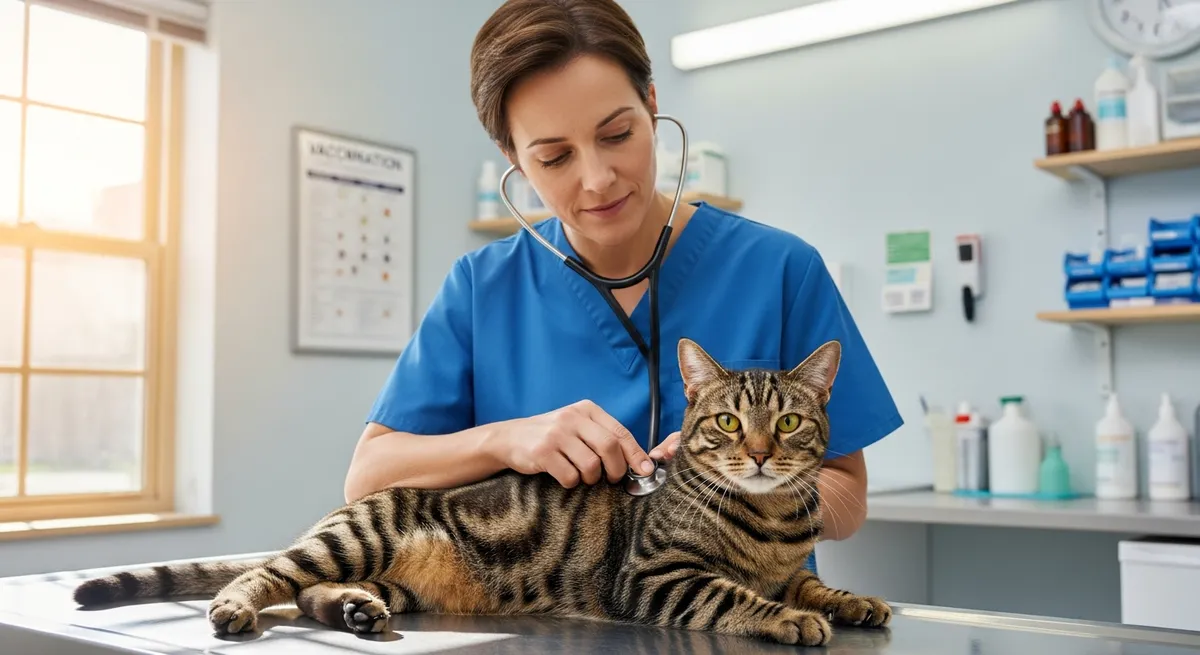
Yes — most shelter pets receive more thorough medical screening than pets bought from breeders or pet stores. Reputable U.S. shelters perform a full vet exam, core vaccines per AAHA/AVMA guidelines, spay/neuter surgery, microchip implantation, parasite treatment, and disease testing (heartworm in dogs over six months, FeLV/FIV in cats) before any animal is placed for adoption. Disclosed medical conditions are usually mild and treatable.
One of the most persistent worries first-time adopters have is some version of "isn't there something wrong with shelter animals?" The fear is that pets end up in shelters because they're sick, broken, or somehow defective.
The honest answer: most shelter pets are healthy, often *more* thoroughly vetted than the average pet bought from a breeder or pet store. The ones with medical issues are usually treatable, fully disclosed up front, and reflected in the adoption fee.
Standard pre-adoption protocols across U.S. shelters and rescues include:
- A full physical exam by a licensed veterinarian, usually within 24–72 hours of intake.
- Core vaccines per AAHA canine and AAFP feline vaccination guidelines (DAPP, rabies, Bordetella for dogs; FVRCP, rabies, FeLV for cats).
- Spay or neuter surgery before adoption (required by law in most U.S. states for shelter animals).
- Microchip implantation and registration.
- Deworming and parasite prevention.
- FeLV/FIV testing for cats; heartworm testing for dogs over 6 months per American Heartworm Society guidelines.
- Treatment of any active condition (URI, ear infection, dental issues, parasites) before the animal goes on the adoption floor.
That's a more rigorous workup than the average pet receives in their first year of life. Pet store puppies and most online breeder transactions, by contrast, involve animals weaned too young, transported across state lines while immunocompromised, and given minimal screening — parvovirus, kennel cough, and giardia are far more common in pet store puppies than in shelter dogs.
The most common health issue you'll hear about is upper respiratory infection — kennel cough in dogs (canine infectious respiratory disease complex) and "cat cold" in cats (feline herpesvirus and calicivirus). What you should know:
- They're rarely serious in healthy adults. Most cases resolve in 7–14 days with rest, hydration, and supportive care.
- They're not a sign of poor shelter care — they're unavoidable in any high-density housing environment.
- They're species-specific and not contagious to humans.
- They can flare in the first 1–2 weeks after adoption due to stress (latent infection becoming active, like cold sores in humans). A reputable shelter will tell you this is possible, often with a post-adoption health guarantee.
Reputable shelters disclose known conditions in the adoption listing. The most common categories:
- Allergies (food, environmental). Manageable with diet, medication, or both. Lifelong but usually low-cost.
- Dental disease. Common in older pets. Many shelters perform dental cleanings before adoption.
- Heartworm-positive (dogs). Treatable with a 2–6 month protocol costing $800–$1,500. Many shelters either complete treatment before adoption or include it in the fee.
- FeLV/FIV-positive (cats). These cats can live long, full lives indoors with proper care. They cannot live with non-positive cats. Adoption fees are typically reduced.
- Hip or elbow dysplasia. Common in larger and older dogs. Manageable with weight control, exercise, and sometimes surgery.
- Diabetes. Manageable with insulin, diet, and routine.
- Three-legged or one-eyed pets. Cosmetic, not functional — these pets compensate completely.
- Senior pets. Often *healthier* than middle-aged pets — they've already shown what they're going to show.
A pet listed with one of these is not a "damaged" pet. They're a transparently disclosed pet, which is exactly what you want. See my adopted pet has medical issues that weren't disclosed: what can i do? for the playbook on the rare cases where something is missed.
The bigger risk isn't the shelter overdisclosing — it's the *seller* underdisclosing. Higher-risk sources:
- Backyard breeders selling on Craigslist or Facebook Marketplace. No vet records, no health testing.
- Online breeders selling sight-unseen with rapid shipping. Same risks plus shipping stress.
- Pet stores sourced from puppy mills. Documented patterns of parvo, giardia, kennel cough, and undiagnosed congenital conditions per the Humane Society's puppy mill report.
- "Free to good home" rehoming arrangements without veterinary disclosure.
A reputable shelter will hand you the medical record and answer questions. See should a shelter let me see the pet's medical records? for the right way to ask.
- "What's the full medical history while this pet has been with you?"
- "What known or suspected pre-existing conditions exist?"
- "What vaccines and treatments have they received?"
- "Spayed/neutered? Microchipped?"
- "When was the last vet exam, and can I see the records?"
- "Do you offer a post-adoption health guarantee?"
- "What food has the pet been eating, and what do you recommend continuing?" (See how to properly mix wet and dry food.)
Plan to see your own vet within 7–14 days of adoption regardless of how thorough the shelter's care was. This visit establishes long-term care, catches anything that emerged after the shelter exam, and lets you ask questions from week one of living together. Bring the shelter's medical records.
Frequently asked questions
Are shelter pets healthy?
Yes, the vast majority. Reputable shelters give every adoptable animal a full vet exam, vaccines, spay/neuter, microchip, parasite treatment, and disease screening before placement — more thoroughly than most pets bought from breeders or pet stores receive in their first year.
Why do some shelter pets have URIs (kennel cough or cat colds)?
Upper respiratory infections spread easily wherever multiple animals live closely. They're rarely serious, usually resolve in 1–2 weeks, and often flare under the stress of adoption. They're not a sign of poor shelter care.
Should I avoid adopting a heartworm-positive dog?
Not necessarily. Heartworm is treatable with a 2–6 month protocol per American Heartworm Society guidelines. Many shelters either complete treatment before adoption or include it in the fee.
What about FIV or FeLV cats?
These cats can live long, full lives indoors, often as long as non-positive cats with proper care. They cannot live with non-positive cats. Adoption fees are typically reduced.
Should I get pet insurance for a shelter pet?
Often yes — but only for conditions that emerge *after* you adopt. Pre-existing conditions disclosed by the shelter will be excluded from coverage. See what to know before getting pet insurance for the full breakdown.
Are shelter animals more likely to have hereditary diseases?
No. Hereditary disease prevalence is driven by breed and breeding practices, not by whether the pet ended up in a shelter. Mixed-breed shelter dogs often have *lower* rates of breed-specific hereditary conditions than purebreds from breeders.
Should I get a second opinion from my own vet?
Yes — schedule a vet visit within 7–14 days of adoption. It's not because you don't trust the shelter; it's because establishing care with your own vet is part of being a good pet owner.
How PawMates Pro publishes pet medical histories transparently
Every pet on PawMates Pro has their full medical history on their profile — vaccinations, spay/neuter, microchip, deworming, FeLV/FIV (cats), heartworm status (dogs), and any disclosed pre-existing or chronic conditions. The deterministic compatibility score factors known medical needs against your household's capacity to handle them, so you're matched with pets you can realistically care for. No surprises after adoption — only honest information up front, the same way you'd want it.
Keep reading: what to expect from a shelter pet
Shelter-pet health, behavior, and the no-kill question all shape what to expect after adoption.