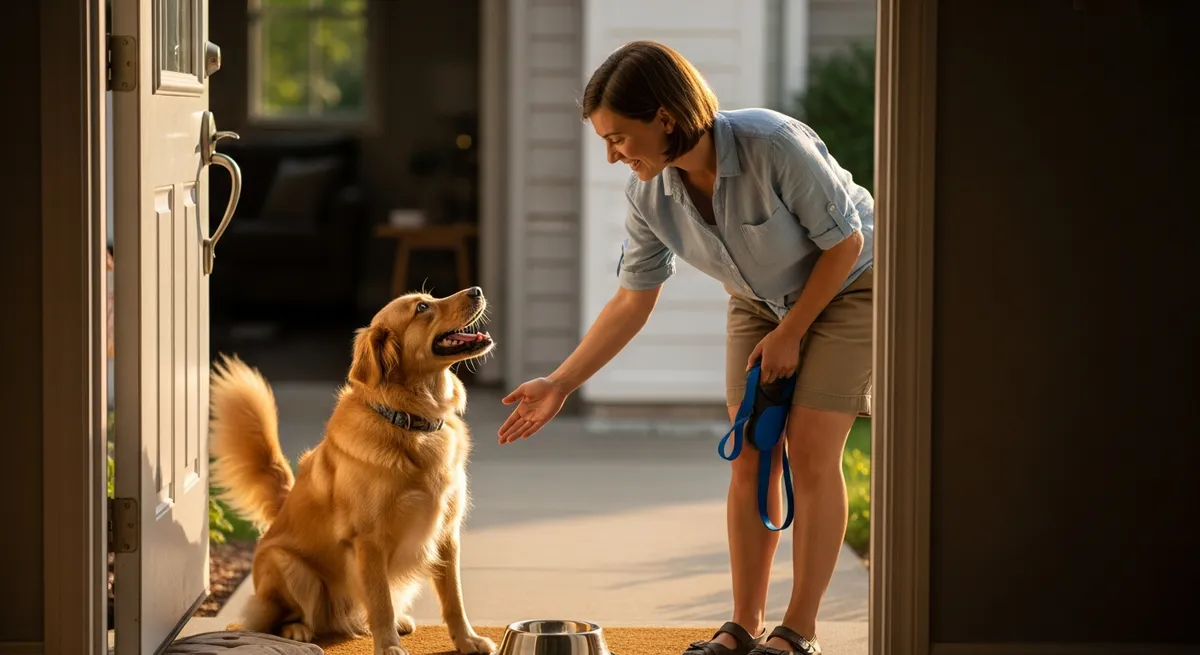
The hardest part of planning a summer trip is not booking the flight or the cabin — it is the moment you look down at the dog watching you zip the suitcase and realize you have to figure out what happens to them. Boarding kennel or pet sitter? It is one of the most common questions pet owners wrestle with every summer, and the honest answer is that neither option is "better." They are better for different pets, different situations, and different budgets.
This guide walks through the real trade-offs — not the marketing version — so you can make the call that actually fits your animal.
The case for boarding facilities
A boarding kennel or pet resort means your pet stays somewhere staffed and structured while you are gone. The strengths are real:
- Constant supervision and a fixed routine. Good facilities have staff on-site or on-call, scheduled feedings, potty breaks, and play times. For a pet that thrives on structure, that consistency is reassuring.
- They are built for emergencies. Reputable boarding operations have protocols for a sick or injured animal and an established relationship with a local vet. Help is rarely far away.
- No stranger in your home. Some people simply are not comfortable handing a house key to a sitter, and boarding sidesteps that entirely.
- Socialization and enrichment (sometimes). Many facilities offer supervised playgroups, walks, or daycare-style activities as add-ons.
The honest downsides:
- It is a strange, noisy environment. Barking, unfamiliar smells, and other animals can stress sensitive, anxious, or senior pets.
- More contact with other animals means more exposure to illnesses like kennel cough, even at clean, well-run places.
- Cats often hate it. Most cats are deeply territorial and find a boarding cattery far more stressful than staying home.
- Cost adds up, especially with add-on play sessions or premium suites.
The case for pet sitters
A pet sitter cares for your animal in your home (or theirs, for some sitters), either with drop-in visits or by staying overnight. The strengths:
- Your pet stays in familiar territory. Same bed, same smells, same window to watch — a huge advantage for cats, anxious dogs, and seniors.
- One-on-one attention. Your pet is not one of forty animals; they are the only one.
- Routine stays intact. Feeding times, walk routes, medication schedules, and quirks all continue as normal.
- Bonus home benefits. Many sitters bring in mail, water plants, and make the house look lived-in.
The honest downsides:
- Less oversight between visits. Drop-in visits mean your pet is alone for long stretches. If something goes wrong at 2 a.m., no one is there.
- You are trusting someone in your home. Vetting matters enormously (more on that below).
- A solo sitter has no backup. If they get sick or have a car problem, who covers? Professional sitting companies solve this; a casual neighbor may not.
A quick way to decide: match the option to the pet
- Anxious, senior, or medically fragile pet? Lean toward an in-home sitter — familiar surroundings reduce stress, and one-on-one care catches problems faster. For complex medical needs, a vet-affiliated boarding facility can also be ideal.
- Social, high-energy dog who loves other dogs? Boarding with daycare-style play can be a genuinely fun "vacation" for them too.
- Cats, almost always? Home, with a sitter doing daily visits. Most cats are far happier in their own space.
- Long trip with a complicated medication schedule? A professional with documented protocols — whether a sitter or a facility — beats a well-meaning friend.
How to vet a boarding facility
Tour it in person before you book. Ask:
1. What are your vaccination requirements? Reputable places require proof (typically rabies, distemper/parvo, and bordetella for dogs). This protects every animal there — and it is a good sign.
2. What is your staff-to-animal ratio, and is anyone on-site overnight?
3. What is your emergency protocol and which vet do you use?
4. Can I see the actual kennels and play areas? Look for clean, climate-controlled, secure spaces — critical in summer heat.
5. How do you handle feeding, medications, and special diets?
How to vet a pet sitter
- Ask for references and actually call them. For professional sitters, check that they are insured and bonded.
- Do a meet-and-greet before the trip so you can watch how they interact with your pet.
- Confirm their backup plan if they get sick or stranded.
- Get the visit schedule in writing — how many visits per day, how long, what is included.
- Trust your gut. If your pet is wary or the sitter seems rushed, keep looking.
The thing both options have in common: records
Whichever you choose, you will be asked for the same core information — vaccination history, medications and doses, feeding instructions, your vet's contact info, and emergency authorization. This is where being organized pays off. Pets adopted from shelters running PawMates Pro arrive with a real, structured profile instead of a folder of loose paperwork, and that history lives in a lifetime medical record you can share — with your consent — with a boarding facility or sitter in seconds.
That matters more than it sounds. A facility that can instantly confirm your dog's bordetella is current can admit them without a scramble; a sitter who can see the exact medication schedule will not guess. We dig into exactly why current records are non-negotiable before any trip in why updated pet records matter before you travel — read it before you book either option. And no matter how you plan, do the legwork early: summer is peak season, and the best facilities and sitters fill up fast. Start your prep with preparing your pet for vacation season.
Frequently asked questions
Is boarding or a pet sitter cheaper?
It varies by region and service level, but daily drop-in pet sitting is often comparable to standard boarding, while overnight in-home sitting usually costs more. Premium boarding suites with add-on play can rival or exceed sitter prices. Get quotes for the exact dates and services you need.
What vaccines does my dog need for boarding?
Most facilities require proof of rabies, distemper/parvo (DHPP), and bordetella (kennel cough), and some require canine influenza. Requirements vary, so confirm with your specific facility and your vet well in advance, since some vaccines need time to take effect.
Are cats better off boarded or with a sitter?
Most cats strongly prefer staying in their own home with a sitter doing daily visits, because they are territorial and find unfamiliar environments stressful. Boarding can work for some cats, but home care is usually the lower-stress choice.
How far in advance should I book summer pet care?
As early as you can — ideally several weeks to a couple of months for peak summer dates and holidays. The best sitters and facilities book up fast, and early booking also leaves time for a tour or meet-and-greet.
Related reading
- Preparing your pet for vacation season — the full pre-trip checklist for either option.
- Why updated pet records matter before you travel — what your sitter or facility actually needs from you.
- What if every pet had a lifetime medical record? — the record that makes handoffs effortless.
For more adoption and pet-care guides, browse the PawMates adopter blog.