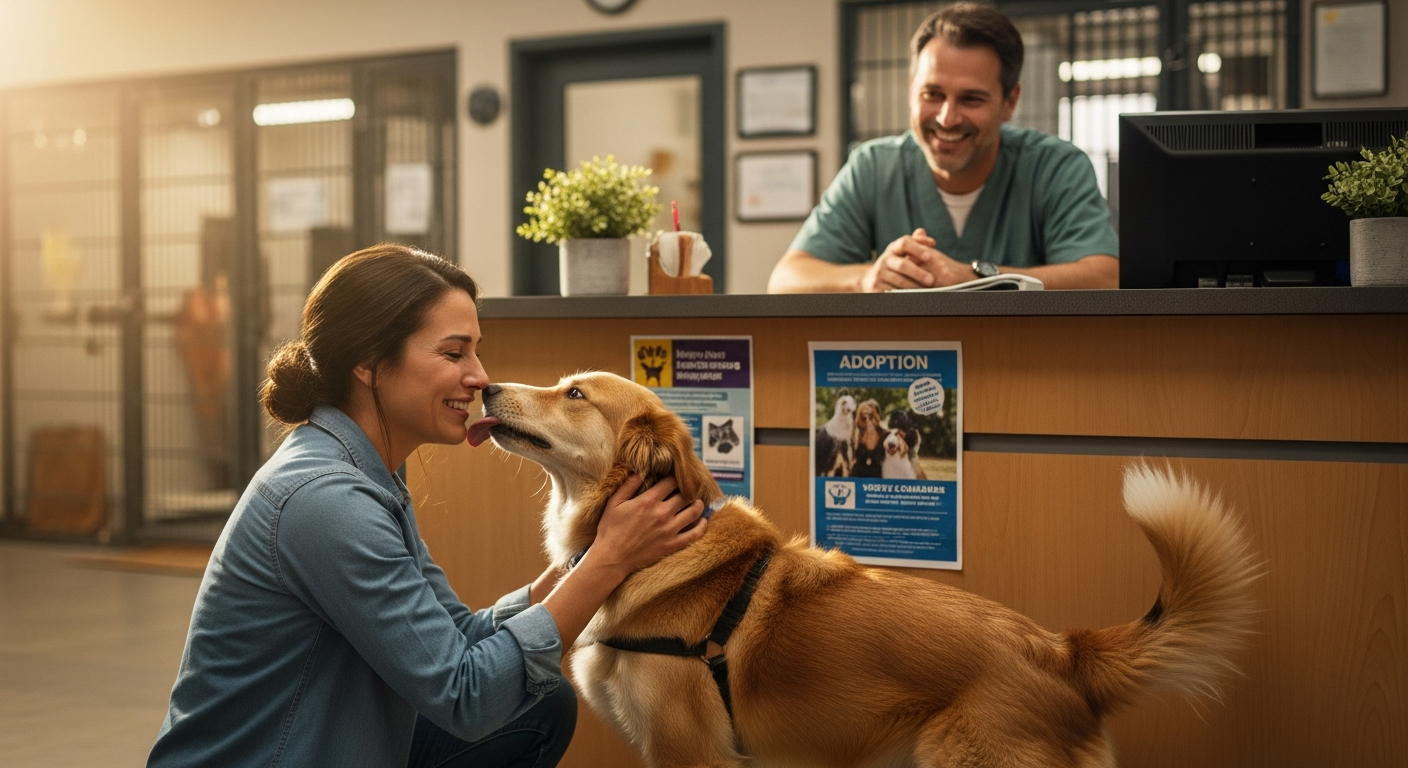
The cruelest gap in animal welfare is the one between a family looking for their lost pet and the shelter that already has them. They are sometimes a mile apart and a single database away — and the database doesn't exist. The owner is posting on three Facebook groups and a telephone pole. The shelter has a stray dog in kennel 14 logged in a system the owner can't see. The stray hold runs out. Two people who desperately wanted the same outcome never found each other.
This post in our Reinventing Animal Welfare series is about closing that gap.
Why do lost pets and their families miss each other?
- Found reports and lost reports live in different places. The shelter's intake log and the owner's frantic search never touch.
- It depends on someone manually noticing the match. Overworked staff comparing a new intake against a stack of lost-pet flyers is not a system.
- Microchips only help if the record is current. A chip scanned at intake points to a registry entry — but if the owner never updated it, the trail goes cold.
- The clock is brutal. After the legal stray hold, an unclaimed animal becomes shelter property and may be adopted, transferred, or, in over-capacity municipal operations, euthanized for space.
What a reinvented lost-and-found looks like
The fix is to make found and lost meet automatically, anchored to identity. When a stray is scanned at a PawMates Pro shelter and the chip resolves to a PawMates Pet ID, the system already knows the animal — prior shelter, medical record, and last known owner. Instead of a cold case, intake starts with a name and a phone number that the reclaim flow keeps current.
The other half is the human network. Across participating shelters, a stray picked up in the next county can be flagged against open lost-pet reports elsewhere in the network, so a match surfaces even when the animal traveled far from home. And for owners, the adopter chip lookup hub explains exactly how to check a chip, find the right registry, and keep their information current — the steps that decide whether a found pet gets home. We cover the owner side in depth in lost-pet recovery: how microchips, registries, and PawMates get pets home faster.
| Old lost-and-found | Reinvented lost-and-found |
|---|---|
| Found and lost in separate silos | Matched automatically on identity |
| Staff eyeballing flyers | System flags candidate matches |
| Stale chip registry = dead end | Reclaim flow keeps ownership current |
| Search ends at the county line | Cross-shelter network visibility |
Identity is the whole game
Every weakness in lost-and-found traces back to identification. A chip that resolves to a current, connected record turns a multi-day stray-hold gamble into a same-day phone call. That's why this series started there, and why keeping registration current is the most important thing any owner can do.
What shelters can do this week
- Scan every intake with a true universal scanner and log the number to a permanent ID.
- Make reclaim a flow that updates ownership, so the next scan is never stale.
- Publicize the chip lookup steps to your community before pets go missing.
- Connect with nearby shelters so a far-traveled stray can still be matched home.
Frequently asked questions
What should I do first if my pet is lost?
File a found-and-lost report with local shelters immediately and verify your chip registration is current. A chip with up-to-date contact info is the single biggest predictor of getting your pet back.
Why don't microchips always work?
The chip almost always scans fine. The failure is usually the registry record — outdated phone numbers or a chip that was never registered after adoption. Keeping the record current is the fix.
How does a shelter network help find pets?
Pets travel. Cross-shelter visibility means an animal picked up far from home can still be matched against a lost report filed where they went missing. See identification for how identity ties it together.