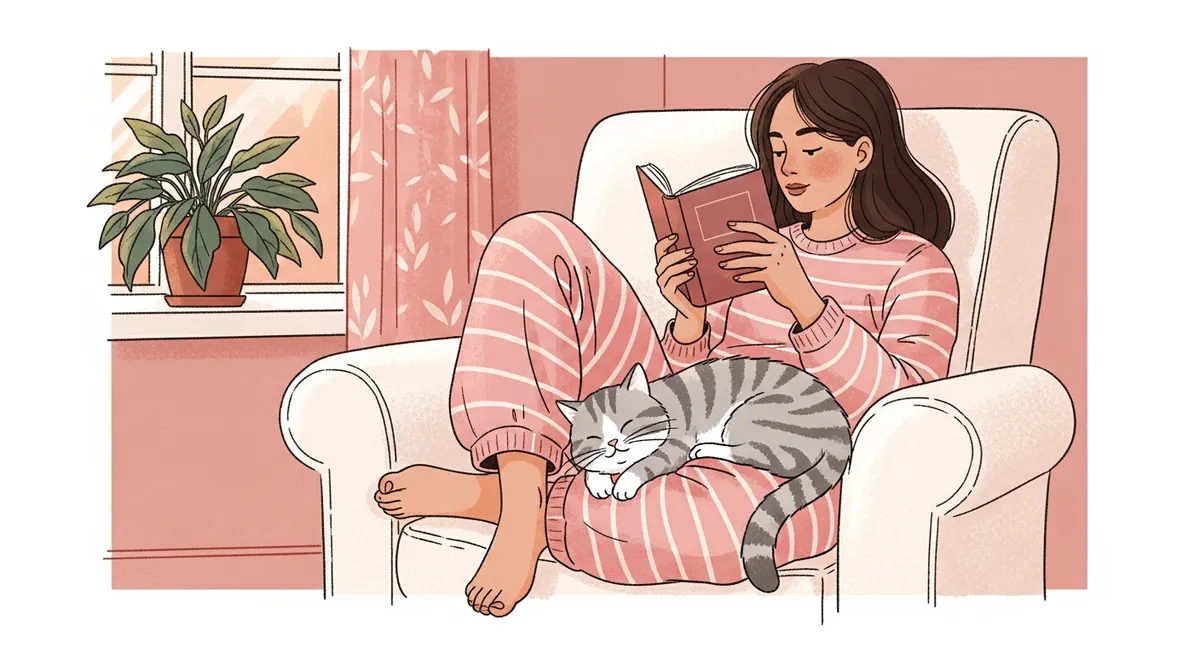
Cortisol — your body's primary stress hormone — runs high for a lot of reasons modern life loves to amplify: deadlines, screens, isolation, poor sleep, the news. There's now a substantial body of research showing that interacting with companion animals measurably reduces cortisol levels in humans. The headline question, though, is *which* animal does it best — and the honest answer is more nuanced than "get a dog."
Below is what the research actually shows, plus how to think about choosing a pet specifically for stress reduction.
The research consistently points to two animals
When studies measure cortisol drops from short interactions with companion animals (typically a 10-to-30-minute structured session), two animals come up most often:
- Dogs. A 2019 Washington State University study of college students found that as little as 10 minutes of petting a dog produced a significant drop in salivary cortisol. Multiple animal-assisted therapy studies have replicated similar findings across age groups and contexts. The combination of physical contact, eye contact, and social engagement seems to be doing most of the work.
- Cats. Cats are studied less often but produce similar effects, particularly through purring (the 25-to-150 Hz frequency range associated with purring has its own small literature on relaxation effects in humans) and through the calming presence of a sleeping cat in physical contact.
A reasonable summary of the evidence: dogs produce the largest measurable cortisol drop in short structured sessions, but cats may produce more sustained low-grade reduction across a typical day because they're physically present without requiring the same level of active engagement.
The animal isn't really the answer — the relationship is
Here's the part most articles skip: the cortisol benefit is overwhelmingly driven by the *quality of the relationship*, not the species. A securely attached cat owner gets more cortisol reduction from their cat than a stressed-out dog owner gets from a dog they feel guilty about not exercising. The animal you'll bond with most deeply is the right answer for your nervous system.
That bond is what drives the effect. The science behind it is covered in depth in The Science of Human-Animal Bonding.
Honest match-making for stress reduction
Ask yourself these four questions before deciding which species:
1. Do I want a daily reason to leave the house? Dogs require it; cats don't. For people whose stress is driven by isolation or sedentary habits, the daily walk is itself a major cortisol-reduction intervention.
2. Do I have predictable energy in the evenings? Dogs need engagement after work. Cats are happy to nap on you while you decompress. Match the animal to the energy you actually have, not the energy you wish you had.
3. How much stress does adding an animal *create*? Vet bills, training time, cleanup, and travel logistics all add cortisol. The math only works if the bond outweighs the load.
4. Am I a morning person or a night person? Dogs strongly skew morning. Cats are flexible. Adopting against your circadian rhythm is a setup for resentment.
If you're still on the fence between species, The Emotional Rewards of Adopting a Rescue covers the second-order benefits (purpose, routine, pride of caretaking) that show up across both.
Honorable mentions
- Rabbits can produce strong cortisol-reduction effects for the right person — they're quiet, gentle, and physically affectionate once they trust you. They are not "starter pets" though; they're complex, fragile, and require dedicated care.
- Birds (especially smaller parrots) form deep bonds and can be enormously calming, but the noise level is a wash for many people. Vet your tolerance honestly.
- Fish lower cortisol too — there are studies showing that watching aquariums measurably reduces blood pressure and stress markers — but they don't deliver the social-bonding component.
- Horses produce some of the strongest cortisol-reduction effects in the literature (equine therapy is widely used clinically), but the cost and time commitment put them outside most adoption conversations.
The shelter angle
If stress reduction is one of your reasons for getting a pet, please consider adopting from a shelter rather than buying. There is something specific about the cortisol-reducing effect of an animal you *rescued* that doesn't get measured in studies but shows up in every conversation with adopters. The reasoning behind that — and the practical case — is in Adopt Don't Shop: Why Shelter Pets Are the Smarter, More Rewarding Choice. And if you've been told a senior dog or an "overlooked" cat doesn't have the same calming effect, The Hidden Benefits of Adopting a Senior Dog and Why Some Cats Get Overlooked (And Why You Shouldn't Ignore Them) will change your mind.
The honest takeaway
If you want the strongest measured cortisol drop per minute of interaction, it's a dog you've genuinely bonded with. If you want the most sustainable low-key stress reduction across a typical day, it's a cat (or a calm dog) that lives with you peacefully without demanding constant engagement. The biggest variable isn't the species — it's whether the animal you choose actually fits the life you live.
Related reading