Every shelter has them — the cats that sit in their kennel for weeks, sometimes months, while flashier, friendlier cats get adopted within days. They're not broken. They're not unadoptable. They're just dealing with a situation that makes it nearly impossible for them to show you who they really are.
Understanding why certain cats get passed over can change the way you approach adoption — and might lead you to a pet that turns out to be the best match you never expected.
The Cats That Freeze
When some cats are stressed, they shut down. They sit at the back of the kennel, face the wall, and stop interacting. Shelter staff sometimes describe them as "pancake cats" because they flatten themselves and try to become invisible.
This isn't a personality trait. It's a stress response driven by the shelter environment. These cats are overwhelmed by the noise, the smells, the constant parade of unfamiliar people, and the loss of everything they knew. In a home environment, many of these cats transform completely within days — coming out of hiding, seeking attention, playing, and bonding with their new family.
The problem is that adopters walk past these cats because they don't "do" anything during the shelter visit. There's no purring, no head bumps, no reaching through the bars. So the adopter moves on to the cat who's performing — and the quiet cat stays behind.
Black Cat Bias Is Still Real
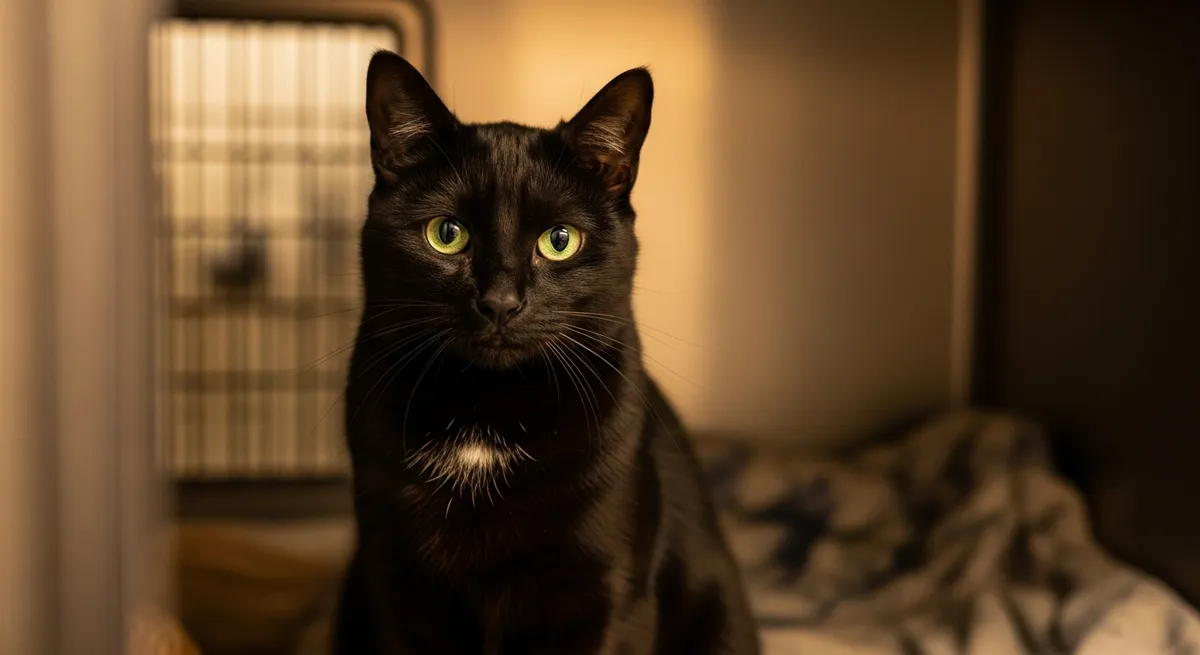
It's not a myth. Black cats are consistently among the last to be adopted in shelters across the country. Part of it is superstition that still lingers. Part of it is photography — black cats are harder to photograph well, and in an era where many adoptions start with an online listing, a dark, blurry photo doesn't stand out.
But the biggest factor is visibility. In a dimly lit kennel, a black cat blends into the shadows. Their facial expressions are harder to read from a distance. Adopters literally don't see them.
Black cats are not less affectionate, less healthy, or less interesting than any other cat. They're just less visible — and that visibility gap costs them weeks or months of kennel time.
Adult Cats Lose to Kittens Every Time
Kittens are irresistible. They're tiny, playful, and photogenic. But kittens are also unpredictable — their adult personality hasn't formed yet, and you're essentially guessing about temperament, energy level, and compatibility.
Adult cats, on the other hand, are already who they're going to be. If you're open to an older pet, the rewards can be enormous — read The Hidden Benefits of Adopting a Senior Dog for a look at why age is an asset, not a liability. A calm, affectionate 4-year-old cat will still be calm and affectionate in your home. A kitten that seems cuddly at 8 weeks might grow into an independent, high-energy cat that wants nothing to do with your lap.
Shelters see it constantly: kittens get adopted in days, adult cats wait for months. Some of the best-natured, most well-adjusted cats in any shelter are adults — and most adopters never consider them.
Cats With "Quirks" or Medical Notes
A cat with a note on its card — FIV+, missing an eye, three legs, requires daily medication — gets passed over at a dramatically higher rate than a cat without any notes. The assumption is that these cats are fragile, expensive, or short-lived.
The reality is often different. FIV+ cats can live long, healthy lives with no special care beyond keeping them indoors. Three-legged cats adapt remarkably well and play, jump, and climb without issue. Cats on thyroid medication need a daily pill that costs a few dollars a month.
These cats aren't liabilities. They're cats with a footnote — and that footnote shouldn't define their entire future.
Shy Cats Need a Different Kind of Evaluation
If you're evaluating a cat by how it behaves during a 5-minute shelter visit, you're seeing the worst version of most cats. Shy cats, in particular, need time and quiet to show their real personality.
Some shelters offer "cat rooms" where you can sit quietly and let the cat approach you. If yours doesn't, ask if you can spend extended time with a cat you're considering. Sit on the floor. Don't reach for them. Let them come to you. A cat that seemed completely shut down in the kennel might be rubbing against your hand within 15 minutes.
Foster-based rescues have an advantage here — their cats are already living in a home, so the foster family can give you a much more accurate picture of the cat's personality than a shelter environment ever could.
Why This Matters
The cats that get overlooked aren't worse pets. In many cases, they're better matches for people who want a calm, bonded, low-drama companion. The cat doing backflips in the front of the kennel might be great — but the cat sitting quietly in the back might be exactly what you need.
The next time you visit a shelter, spend a few extra minutes with the cats that don't immediately grab your attention. Ask staff which cats have been there the longest. Ask about the ones that seem shy or withdrawn. Those cats have been waiting — and they're often the ones that bond the deepest once they finally get home. If you're adopting for the first time, make sure you're ready for the adjustment period — The First 7 Days After Adopting a Pet covers what to expect.
How Technology Is Changing Visibility for Overlooked Cats
One of the reasons cats get overlooked is the limitations of traditional shelter browsing — walking down a row of kennels and making a snap judgment. Platforms like PawMates Pro are changing that dynamic by using compatibility-based filtering that evaluates an adopter's lifestyle, home environment, and preferences before surfacing pets. This means a quiet, shy cat that would be invisible in a shelter visit can surface as a top match for someone looking for a calm, independent companion.
When adoption isn't driven by who's performing best in a kennel, the playing field levels. Cats that would otherwise wait months get matched based on who they actually are — not how they behave under fluorescent lights.
Frequently Asked Questions
Why do black cats take longer to get adopted?
Black cats face a combination of reduced visibility in shelter settings, difficulty photographing well for online listings, and lingering cultural superstitions. Studies consistently show black cats have longer average shelter stays than cats of other colors, despite no differences in temperament or health.
Are shy cats less affectionate than outgoing cats?
No. Shy cats are often extremely affectionate once they feel safe. Many cats that seem withdrawn in a shelter become devoted lap cats within days of settling into a quiet home. Shyness in a shelter is a stress response, not a personality trait.
Should I adopt a cat with FIV?
FIV-positive cats can live long, healthy lives with standard indoor-only care. They don't require expensive treatments or special diets. The virus is primarily transmitted through deep bite wounds, so FIV+ cats can often live safely with other cats if they have a non-aggressive temperament.
How can I tell if a cat's shelter behavior reflects their real personality?
It usually doesn't. Shelter behavior is driven by stress, not temperament. Ask for foster reports if available, spend extended quiet time with the cat, and trust that most cats need at least a week in a home environment before their real personality emerges.
Related Articles