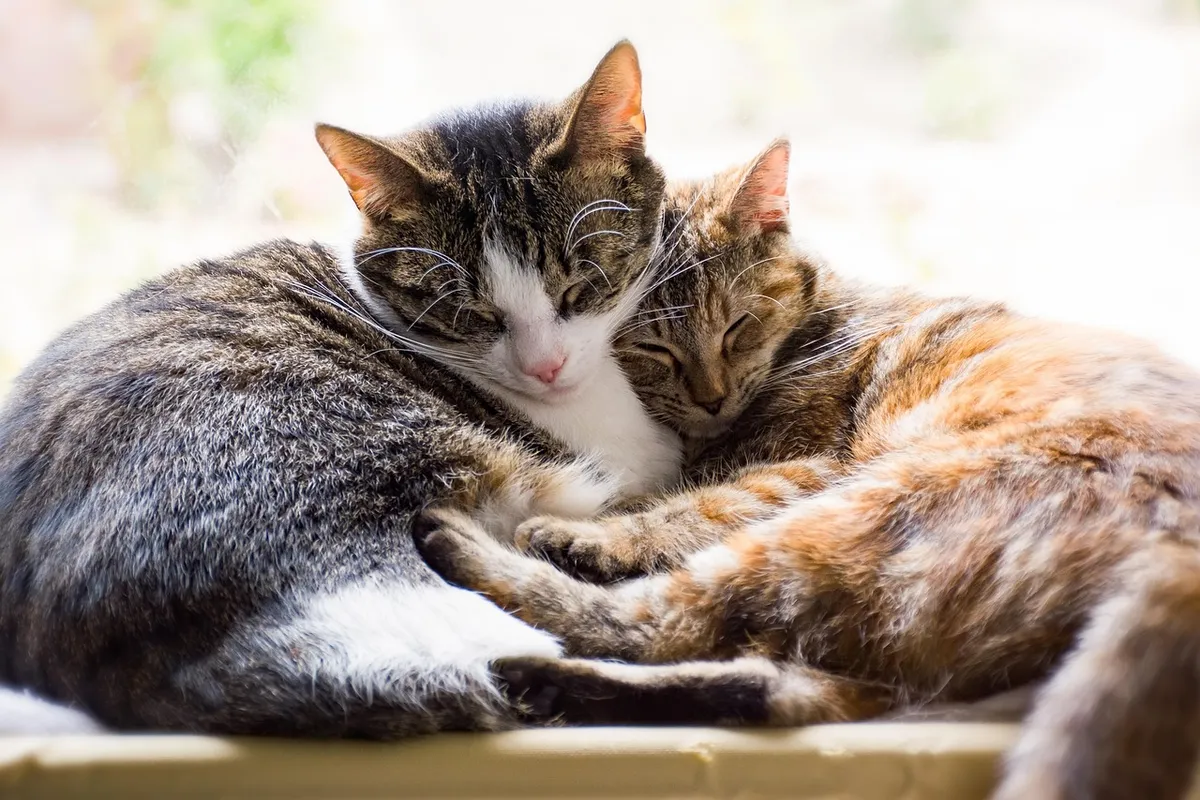
Most people walk into a shelter looking for one pet. Then a volunteer says something like, "These two have to go together — they're bonded." And suddenly the plan changes.
Bonded pairs are animals that have formed a deep attachment to each other. Separating them causes real psychological distress — not the kind that fades after a few days, but the kind that can lead to chronic behavioral problems, refusal to eat, and long-term anxiety. Shelters designate pairs as bonded when staff observe that the animals are genuinely dependent on each other for comfort and security.
Adopting a bonded pair is a different commitment than adopting a single animal. Here is what you need to understand before you say yes.
What Makes a Pair "Bonded"
Not every pair of animals that gets along is bonded. Bonding is a specific, observable attachment where two animals rely on each other as a primary source of emotional regulation. Shelter staff identify bonded pairs based on clear behavioral indicators:
- They eat, sleep, and move through the space together consistently
- Separating them — even briefly — causes visible distress: vocalization, pacing, refusal to eat, withdrawal
- One or both animals show dramatic behavioral deterioration when housed alone
- They groom each other, share sleeping spaces, and orient their bodies toward each other
Bonding happens most often between littermates, animals surrendered from the same household, and animals that were strays together. It can happen between two dogs, two cats, or even across species — though cross-species bonded pairs are less common in shelter settings.
Why Shelters Require Them to Be Adopted Together
This is not a marketing tactic to move more animals. Shelters that designate pairs as bonded have observed that separating them causes harm. Animals in bonded pairs who are adopted individually often develop separation anxiety, depression, destructive behavior, and sometimes medical issues from prolonged stress.
Shelters know that requiring a pair adoption limits their options. Fewer people can take two animals. The pair may wait longer for a home. But the alternative — splitting them and watching both animals deteriorate — is worse. Experienced shelter staff do not make this designation lightly.
The Real Costs of Adopting Two Animals
Before you commit to a bonded pair, run the numbers honestly. Two animals means double the:
- Food: This is the most obvious one. Two mouths, every day, for the lifespan of both animals.
- Veterinary care: Annual exams, vaccinations, flea/tick prevention, dental cleanings, and any unexpected illness or injury — times two. A single emergency vet visit can easily exceed $2,000.
- Supplies: Beds, carriers, collars, harnesses, litter boxes (for cats, the formula is one per cat plus one extra). These add up faster than people expect.
- Boarding or pet sitting: If you travel, you are paying for two animals to be cared for.
- Pet insurance: If you choose to insure both, premiums run $30-$70 per month per animal depending on breed, age, and coverage level.
For a realistic breakdown of what pet ownership actually costs, read Can I Afford a Pet? and Is Pet Insurance Worth Buying? before making this decision.
The Advantages People Do Not Talk About Enough
There are genuine, practical benefits to adopting two animals at once — beyond the emotional appeal.
They keep each other company. If you work outside the home or have a schedule that leaves your pet alone for hours, a bonded pair handles that far better than a single animal. They have each other. This often translates directly into fewer behavioral problems related to boredom and isolation. Many of the common mistakes new pet owners make around under-stimulation and boredom are less severe with two animals who actively engage with each other.
You skip the introduction process. Introducing a new pet to an existing pet is one of the most stressful parts of multi-pet ownership. With a bonded pair, that is already done. They arrive in your home already comfortable with each other, which means you can focus on helping them adjust to their new environment rather than managing territorial conflict. Compare that to the involved, multi-week process of introducing unfamiliar animals to each other.
They regulate each other's behavior. Bonded animals often serve as behavioral anchors for each other. If one is anxious in a new environment, the calm one's presence can help them settle. This is especially relevant for rescue animals dealing with anxiety, where having a trusted companion nearby can significantly reduce stress responses.
What the Transition Looks Like
Bringing a bonded pair home is similar to bringing home a single animal, with a few differences.
Space: You need enough space for both animals to have their own resources — food bowls, water bowls, resting spots — even though they will likely choose to share most of the time. For bonded cats, make sure you have the right number of litter boxes and vertical space (cat trees, shelves) for both. If you are bringing home dogs, review how to dog-proof your home with two dogs in mind — double the potential for chewed shoes.
Decompression: Even though they have each other, bonded pairs still need time to adjust to a new home. The first week matters. Follow the same decompression protocol you would for a single animal: quiet space, minimal visitors, consistent routine. The advantage is that they will likely decompress faster because they have their security source — each other — already with them.
Veterinary baseline: Schedule vet appointments for both animals within the first week. You want a baseline health check for each, and you want to make sure any shelter-acquired illness is caught early. Upper respiratory infections are common in shelter cats, and kennel cough in dogs — having two animals means these can spread between them if not addressed.
When to Be Cautious
Not every bonded pair designation is straightforward. Here are situations where you should ask more questions:
- Short shelter stays: If the animals have only been in the shelter a few weeks, the bond may be situational rather than deep. They may be clinging to each other for comfort in a stressful environment rather than having a long-standing attachment. Ask how long they have been together and what behavior changes staff have observed when separated.
- Significant age gaps: A 10-year-old cat bonded with a 2-year-old cat means you may face a situation where the older animal passes away while the younger one still has many years ahead. Plan for that emotionally and practically.
- Medical issues in one animal: If one animal has a chronic condition, make sure you understand the full scope of care required. You are committing to both animals' health needs, and a bonded pair cannot be returned individually.
- Behavioral concerns: Ask about any red flags — resource guarding between them, aggression toward other animals, or house-training issues. Bonded does not mean problem-free.
Finding Bonded Pairs Available for Adoption
Bay Area shelters regularly have bonded pairs available. Many shelters offer reduced adoption fees for pairs as an incentive. Check local shelter websites and adoption platforms — PawMates Pro lists available animals from over 50 shelters and rescues across the Bay Area, and you can filter for animals that are part of a bonded pair.
If you are serious about adopting a bonded pair, tell the shelter directly. Many bonded pairs wait significantly longer for adoption than single animals, and shelters are often willing to work with you on fees, supplies, and transition support to make it happen.
The Bottom Line
Adopting a bonded pair is not twice as hard as adopting one animal. In many ways, it is easier — they arrive pre-socialized, they keep each other company, and they settle into routines faster because they have continuity in each other.
But it is a real financial and logistical commitment. Run the numbers. Make sure you have the space. Talk to the shelter about what to expect specifically from the pair you are considering.
If it works for your situation, adopting a bonded pair is one of the most straightforward good decisions you can make in pet adoption. Two animals get to stay together. You get a household that is more stable and less lonely for everyone involved. That is the whole pitch.
Featured book — see full article for details.
Featured book — see full article for details.
Featured book — see full article for details.
Frequently Asked Questions About Adopting Bonded Pairs
What does it mean when a shelter says two animals are a bonded pair?
A bonded pair designation means shelter staff have observed that two animals are deeply attached to each other and rely on one another for emotional regulation. Signs include constant physical contact, distress when separated (vocalization, refusal to eat, pacing), seeking each other out immediately after any period apart, and coordinated behavior like eating, sleeping, and playing together.
Is it more expensive to adopt a bonded pair?
Many shelters offer discounted adoption fees for bonded pairs — sometimes two for the price of one — specifically to encourage keeping them together. However, ongoing costs (food, veterinary care, medications, supplies) will be roughly double. Run the numbers before committing and make sure your budget can sustain two animals long-term.
What happens if a bonded pair is separated?
Separating a genuinely bonded pair causes significant psychological distress. Both animals may exhibit depression (lethargy, refusal to eat, withdrawal), increased anxiety, behavioral regression, and chronic stress-related health problems. Some separated animals never fully recover and carry lasting behavioral issues that make subsequent adoptions more difficult.
Do bonded pairs need more space than a single pet?
Not necessarily proportionally more. Two bonded animals often share resting spots and occupy the same areas, so you don't need double the square footage. However, you do need space for separate feeding stations (to prevent food guarding), additional litter boxes for bonded cats (one per cat plus one extra), and enough room for both animals to move comfortably.
Can I adopt one animal from a bonded pair?
Shelters strongly discourage and often refuse to separate bonded pairs because of the documented harm it causes. If a shelter is willing to separate a pair upon request, that may indicate the animals are not truly bonded — just friendly. Truly bonded pairs should always be adopted together.
Related Articles