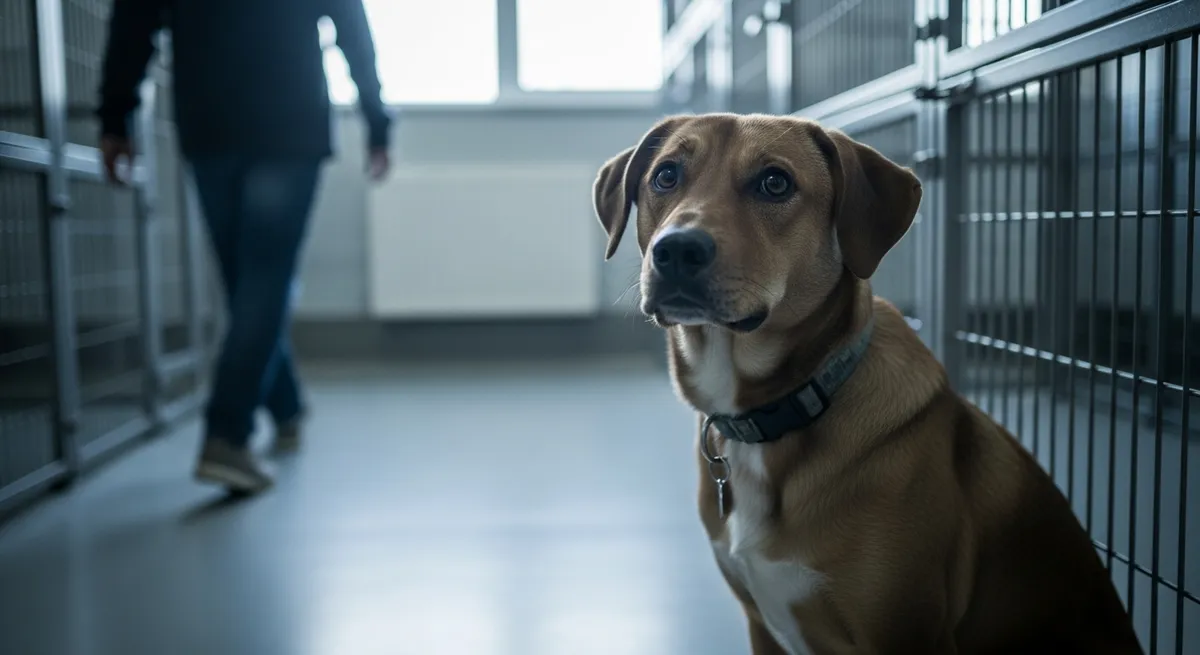
Returns are the most painful part of animal welfare. The dog who walked out the front door three weeks ago — collar on, family thrilled, photos posted — is back in the lobby with an embarrassed adopter and a story that started off well and ended somewhere nobody wanted. The animal is harder to place a second time, the staff is demoralized, and the family is grieving a decision they thought would last a lifetime.
Returns are also one of the most preventable failures in modern sheltering. The reasons animals come back are not random — they cluster into a small number of patterns. Once you can name the patterns, you can build the systems to interrupt them.
This guide walks shelter teams through the real reasons adoptions fail, what the data says, and how to design a return-prevention program without making your adoption process so heavy that it kills throughput.
What the Data Says About Adoption Returns
Industry research consistently puts shelter adoption return rates at roughly 7 to 20 percent within the first six months, depending on shelter, region, and species. The majority of returns happen within the first 30 days — a window that contains the answer to almost every prevention strategy.
The most common return windows are:
- Days 0 to 7: behavior surprises, allergies, family disagreement
- Days 8 to 30: housing issues, escalating behavior, financial reality
- Months 2 to 6: undisclosed medical, ongoing behavior, life change
- Beyond 6 months: major life event (divorce, move, illness, job loss)
The first 30 days are the highest-leverage prevention zone. Get those right and you cut total returns roughly in half.
The Top Reasons Animals Get Returned
1. Behavior the Adopter Didn't Expect
This is the single biggest cause of returns. The adopter took home a dog they thought would be calm and got a dog that was scared, reactive, or under-stimulated and chewing baseboards.
The behavior usually existed at the shelter — but adopters either weren't told, weren't told clearly, or didn't internalize it. Common surprise behaviors:
- Resource guarding (food, toys, beds, people)
- Reactivity on leash
- Separation distress when left alone
- Counter surfing, jumping, mouthing
- Cat-and-dog or dog-and-dog conflict the adopter wasn't prepared for
- House training regression in a new environment
(For the underlying patterns, see Understanding Shelter Dog Behavior: What It Really Means.)
2. Mismatched Energy Level or Lifestyle
A high-energy working breed in a quiet apartment with two working adults isn't going to thrive — and the adopter usually figures that out around week three. Energy mismatches account for a meaningful share of returns and are also among the most preventable through better matching.
The dog who needs two hours of exercise a day in a home that can give 30 minutes is set up to fail through no one's fault.
3. Other Pets in the Home
Existing pets — especially established cats and territorial dogs — are a frequent return trigger. The introduction either wasn't done carefully, or the existing animal's temperament wasn't a real fit for a new housemate.
This is often paired with adopters who skipped or rushed the introduction protocol they were given. (For the framework, see How to Introduce a New Pet to Your Existing Pets.)
4. Children and Family Dynamics
A new pet collides with a young child more often than adopters expect. Mouthing, jumping, possessiveness around food, or simple over-stimulation can turn into a return within days.
The mismatch is usually not "this dog is dangerous" — it's "this dog needs more space and management than this household can give right now."
5. Allergies
Allergies are a depressingly common return reason and one of the few that's almost impossible to fully prevent. Even adopters who believe they have no allergy can react to a specific dog or cat. Some shelters now require a meet-and-greet of 30+ minutes in the same room as a screening tool, which catches many cases.
6. Housing and Landlord Issues
The adopter signed the lease before checking the pet policy, the landlord found out about the dog, the HOA enforced a weight limit, the new apartment didn't allow the breed. Housing-driven returns spike with adopters who are renting or recently moved.
A quick housing screening question at application time catches a meaningful share of these.
7. Financial Reality
The first vet visit, the first emergency, the first round of medication — adopters who underestimated the ongoing cost of a pet sometimes return within the first 90 days when the bills land. Adopters of large dogs, special-needs animals, and seniors are most exposed.
8. Undisclosed Medical Conditions
Conditions that emerge after adoption — heartworm, hidden orthopedic issues, dental disease, chronic skin conditions — can prompt returns from adopters who feel financially or emotionally unprepared. Strong intake medical evaluation and clear adopter disclosure dramatically reduce this category.
9. Major Life Changes
Some returns are not preventable. Divorce, illness, job loss, military deployment, or a sudden family caregiving need can force a return through no fault of the adopter or the shelter. These deserve compassion and a clear, judgment-free return process.
10. Inadequate Post-Adoption Support
Many returns happen because adopters had a fixable problem in week two and no one to call. A shelter that proactively reaches out — at 48 hours, two weeks, and 30 days — catches the small problems before they become return triggers. (See The Importance of Following Up: How to Prevent Adoption Returns and Building Post-Adoption Support Systems That Keep Pets in Homes.)
A Six-Step Framework to Reduce Returns
The shelters with the lowest return rates are not the ones with the heaviest applications. They are the ones with the clearest disclosure, the best matching, and the strongest follow-up.
Step 1: Disclose Everything, in Writing
Every known behavior, medical condition, and care requirement gets written into the adoption packet — and verbally walked through at adoption. Adopters who walk in eyes-open stay.
Step 2: Match on Lifestyle, Not Just Preference
A short application that captures schedule, household composition, existing pets, experience level, and energy tolerance enables real matching. A compatibility filter that checks the application against each pet's structured fields gives adoption coordinators a quick second opinion on whether an applicant clears the basic requirements. (For more, see How AI Is Transforming Pet Adoption Matching at Animal Shelters.)
Step 3: Require a Meet-and-Greet With the Whole Household
Including kids, including current pets where safely possible, including any partner. A surprising share of returns trace to a household member who wasn't part of the decision.
Step 4: Send Adopters Home With a 30-Day Plan
A simple one-page plan: introduction protocol, decompression timeline (the "3-3-3 rule"), a vet visit checklist, your follow-up schedule, and your direct number for problems. Adopters who feel supported don't return at the first sign of trouble.
Step 5: Schedule Follow-Up at 48 Hours, 2 Weeks, and 30 Days
Three calls or texts. Most problems surface in those touchpoints, and most are solvable. The shelter that calls at day three saves a return on day twelve.
Step 6: Make the Return Process Compassionate
Counterintuitively, easy returns reduce overall return rates. Adopters who fear judgment hide problems until they explode. Adopters who know they can return without shame reach out earlier — and many of those reach-outs become coaching conversations that save the placement instead.
What Returns Tell You About Your Operations
Track returns by reason code. Patterns will emerge within a quarter. If 40 percent of your returns are behavior-related, your evaluations or disclosures need work. If 30 percent are housing-related, your application needs a stronger housing question. If most cluster at day five, your post-adoption follow-up is starting too late.
Returns are a feedback signal. Use them.
How PawMates Pro Helps
PawMates Pro is built around the systems that prevent returns. Behavioral and medical evaluations live on the animal record and surface automatically into the adoption packet, so disclosure is structurally guaranteed rather than memory-dependent. Compatibility filters check adopter-to-animal fit across lifestyle, household, and experience dimensions before applications get to the meet-and-greet stage. Automated post-adoption follow-up workflows trigger texts and calls at 48 hours, two weeks, and 30 days — without anyone remembering to schedule them. Returns are tracked with structured reason codes that feed directly into operational dashboards, so trends become visible early. The result: more adoptions that stick, fewer animals coming back, and a shelter team that gets to focus on the next placement instead of patching the last one.
The Bottom Line
Returns are painful, but they are also patterned — and patterns can be interrupted. Honest disclosure, careful matching, full-household meet-and-greets, a real 30-day plan, proactive follow-up, and a compassionate return process together cut return rates substantially in almost every shelter that adopts them.
The animals come back when they were placed without enough information, support, or fit. Provide all three, and the second adoption photo posts on the family fridge instead of the return-form clipboard.
Frequently Asked Questions
What is the most common reason a shelter pet is returned?
Behavior surprises are the single most common reason for adoption returns — usually behaviors that existed at the shelter but were either not disclosed clearly, not understood by the adopter, or only emerged once the animal decompressed in the new home. Energy mismatches and conflicts with existing pets follow closely behind.
How long after adoption are pets most likely to be returned?
The majority of returns occur within the first 30 days, with a particular spike in the first 7 days as behavior surprises emerge and in days 14 to 21 as the honeymoon period ends. Returns after the six-month mark are usually driven by major life changes rather than animal behavior.
What percentage of adopted shelter pets are returned?
Industry research generally places shelter adoption return rates between 7 and 20 percent within the first six months, with significant variation by shelter, species, and adopter screening practices. Shelters with strong matching, disclosure, and post-adoption support consistently land at the low end of that range.
Should shelters charge a return fee?
Most welfare experts advise against charging return fees. Adopters who fear shame or financial penalty hide problems instead of reaching out for help, which often turns a fixable issue into a worse outcome for the animal. A judgment-free return policy paired with proactive support consistently produces lower total return rates.
Can post-adoption follow-up actually prevent returns?
Yes — and significantly. Shelters that implement structured follow-up at 48 hours, two weeks, and 30 days consistently report meaningful reductions in return rates. Most returns are triggered by small, fixable problems that escalate when adopters have no one to call. Proactive outreach catches them early.
What information should adopters get at the time of adoption?
At minimum: a written behavioral disclosure of any known issues, a complete medical history, the recommended introduction protocol for existing pets, the 3-3-3 decompression timeline, a 30-day care plan, the shelter's follow-up schedule, and a direct contact number for problems. Adopters who walk out informed return less often.
How can shelters identify which adopters are most at risk of returning a pet?
Common risk factors include first-time pet ownership, recent housing change, presence of young children, mismatched energy expectations, and adopters who skip the meet-and-greet with their household or existing pets. None disqualify an adopter — they signal where extra coaching and follow-up are most valuable.
Related Articles
- The Importance of Following Up: How to Prevent Adoption Returns
- Building Post-Adoption Support Systems That Keep Pets in Homes
- Why Some Adoptions Fail (And How to Make Sure Yours Doesn't)
- The Ugly Truth Behind Returning Pets to Shelters (How It Affects the Pet)
- Understanding Shelter Dog Behavior: What It Really Means
- How AI Is Transforming Pet Adoption Matching at Animal Shelters