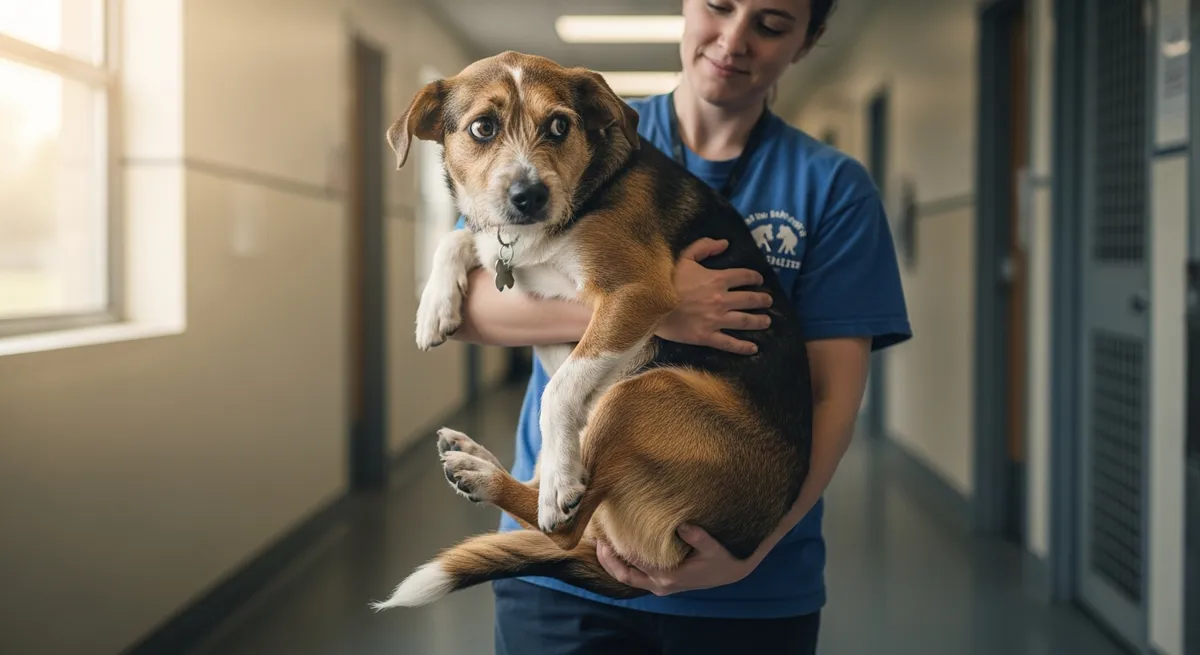
People return adopted pets for all kinds of reasons — some understandable, some avoidable. But regardless of why it happens, the conversation almost always centers on the human: their guilt, their circumstances, their decision. What rarely gets discussed is what the return actually does to the animal.
This isn't about shaming anyone. Returns happen. Sometimes they're the right call. But every person considering adoption — or considering a return — should understand the real cost to the pet.
The Neurological Impact of Rehoming
When a pet is moved from one environment to another, their brain goes into survival mode. Cortisol — the primary stress hormone — floods their system. Heart rate increases. Appetite drops. Sleep becomes fragmented.
For a pet that's already been through this once (leaving their original home for the shelter), being adopted was the relief. They decompressed. They started to trust again. They learned a new routine, new smells, new people.
A return forces them through the entire cycle again — but worse. If you haven't read about how shelter environments affect animal behavior, it's worth understanding what the animal is going back to. Research in animal behavior science shows that repeated rehoming events have a cumulative effect. Each transition is harder than the last. The pet doesn't just "reset" — they carry the stress of every previous disruption.
Dogs that have been returned multiple times are significantly more likely to develop:
- Generalized anxiety
- Hyper-vigilance (constantly scanning for threats)
- Attachment disorders (either extreme clinginess or refusal to bond)
- Learned helplessness (shutting down, becoming unresponsive)
Cats experience similar cascading effects:
- Chronic stress-related illness (URIs, cystitis, inflammatory bowel disease)
- Persistent litter box avoidance
- Defensive aggression toward new handlers
- Withdrawal that deepens with each transition
Trust Erosion Is Real
Pets form attachments. Dogs, in particular, bond strongly to their primary caretakers — and they notice when those people disappear. A returned dog doesn't understand why their person left. They don't know it's temporary. They don't know another family might come.
What they do know is that the person they trusted is gone. This is why the first 7 days matter so much — the bond that forms during that window is real, and breaking it has consequences. The home they learned is gone. The routine is gone. And they're back in a loud, unfamiliar place surrounded by strangers.
For some dogs, one return is enough to fundamentally change how they interact with people. They may become harder to leash, resistant to handling, or withdrawn during adoption meet-and-greets. Shelter staff describe these dogs as "shut down" — and they know exactly why.
Cats are often assumed to be more independent and therefore less affected by returns. This isn't accurate. Cats form strong environmental bonds — to spaces, routines, and people. A return disrupts all three simultaneously. Cats that have been returned may hide for days or weeks in their new kennel, refuse food, and develop stress-related health issues that require veterinary intervention.
Behavioral Fallout in the Shelter
Returned pets often behave differently than they did before adoption. A dog that was friendly and social during their first shelter stay may now be reactive, anxious, or difficult to handle. A cat that was confident and approachable may now be fearful and avoidant.
Shelter staff see this consistently:
- Dogs that were previously house-trained may begin soiling in their kennel
- Dogs that walked well on leash may now pull, lunge, or freeze
- Cats that used their litter box reliably may begin eliminating on bedding or floors
- Pets that were easy to handle may now growl, hiss, or bite during routine care
These behavior changes aren't permanent character flaws — they're trauma responses. Understanding shelter dog behavior can help adopters recognize stress signals before they escalate. But they make the animal harder to adopt the second time around. The behavioral notes from the return get added to their file, and adopters read those notes and move on to the next animal.
The Adoption Stigma
Returned pets carry a stigma, whether shelters intend it or not. When a potential adopter sees "returned — not good with other dogs" or "returned — too energetic for apartment," they form an impression. The context matters — maybe the previous owner never exercised the dog, or maybe the "other dog" was aggressive first — but the note stays on the record.
Some shelters work hard to provide context with return notes. Others just record the reason given and move on. Either way, returned pets sit longer. They get fewer meet-and-greet requests. Their second chance is statistically harder than their first.
When Returns Are Necessary
None of this means returns should never happen. There are situations where keeping a pet would be unsafe for the animal or the people in the home:
- Genuine aggression that poses a safety risk to children or other animals
- Severe medical issues the adopter was not informed about and cannot manage
- Domestic instability (homelessness, domestic violence) where the pet's basic needs cannot be met
In these cases, returning the pet to a shelter or rescue that can provide proper care is the responsible choice. The point isn't to guilt people into keeping a pet in a harmful situation — it's to make sure people understand the stakes before they adopt in the first place.
Prevention Is the Point
The best way to reduce returns is to prevent them. That means:
- Being brutally honest about your lifestyle, schedule, and living situation before adopting — read this if you're not sure
- Understanding that the first 2 to 4 weeks with a new pet are often the hardest — decompression takes time
- Not confusing temporary adjustment behaviors with permanent personality traits
- Asking the shelter about the pet's history, behavior notes, and any known triggers before taking them home
- Having a plan for common challenges — separation anxiety, house training regression, resource guarding — before they happen
Adoption is a commitment. Every return has a cost, and the animal pays most of it.
How Better Matching Reduces Returns
Most returns aren't caused by bad pets or bad people — they're caused by bad matches. When adopters choose pets based on appearance alone, the odds of a lifestyle mismatch go up dramatically.
Shelters that use compatibility-based matching — evaluating an adopter's housing, schedule, experience, and household composition before recommending pets — see significantly lower return rates. PawMates Pro's compatibility-matching layer was built specifically around this principle: surface the right pet for the right home, not just the cutest pet on the page. When the match is right from the start, the adoption is far more likely to stick — and the pet never has to go through the trauma of another transition.
Frequently Asked Questions
How common are pet returns to shelters?
Return rates vary by shelter but typically range from 7% to 20% of all adoptions. The majority of returns happen within the first 30 days, with the highest concentration in the first week — often before the pet has finished decompressing.
Does returning a pet traumatize them permanently?
Not permanently in most cases, but the effects are real and cumulative. Each return increases the difficulty of the next adjustment period. Dogs and cats that have been returned multiple times often develop attachment disorders, generalized anxiety, or learned helplessness that takes significant time and patience to work through.
Will a returned pet be euthanized?
At most modern shelters and rescues, no. Returned pets are re-evaluated and placed back on the adoption floor or into foster care. However, if a pet was returned for aggression or a serious behavioral issue, the shelter may need to assess whether the pet can be safely placed again.
What should I do if my adoption isn't working out?
Before returning a pet, contact the shelter or rescue you adopted from. Many offer post-adoption support including behavioral advice, training resources, and sometimes temporary foster placement while you work through challenges. Most behavioral issues that trigger returns are resolvable with consistency and time.
Related Articles