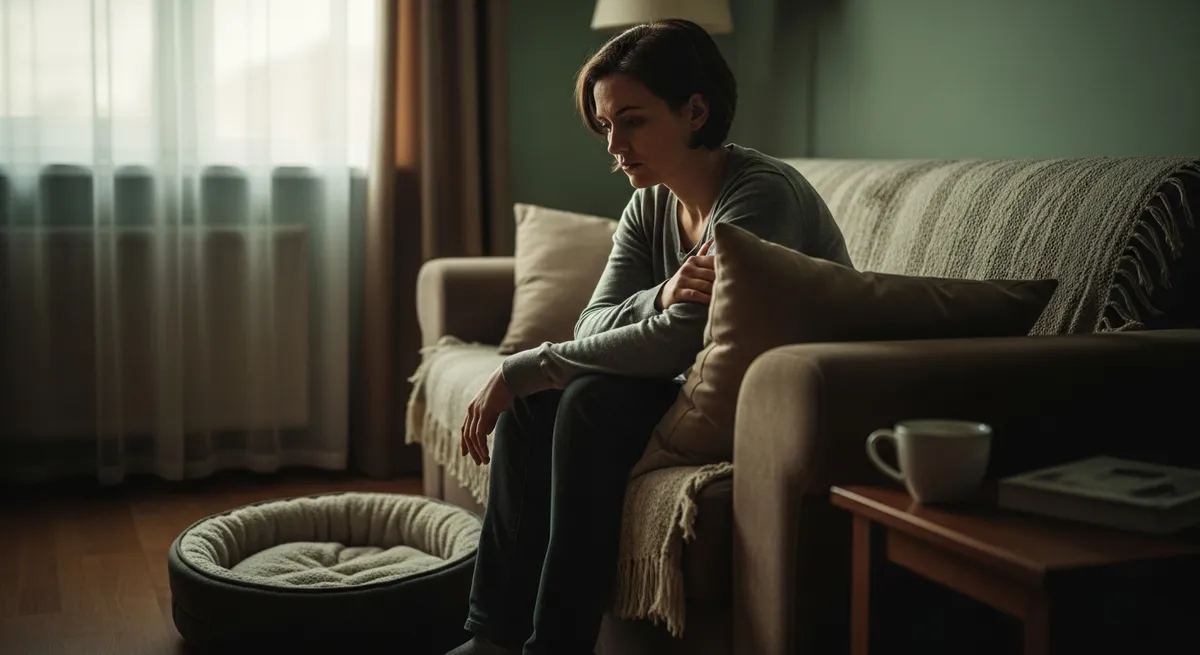
Nobody adopts a pet planning to bring them back. But it happens — more often than people talk about. And the emotional fallout is real. If you've returned an adopted pet or you're considering it, the guilt, grief, and shame you're feeling are not signs of weakness. They're signs that you cared.
This article is not here to judge you. It's here to talk honestly about what returning a pet does to your mental health, why the feelings hit so hard, and how to move through them.
Why Returning a Pet Hurts So Much
The bond between a person and a pet forms fast. Even if you only had the animal for a few days, your brain has already started attaching. You've imagined a future together. You've told people about your new pet. You've bought supplies, rearranged your home, and started building routines.
When that falls apart, your brain processes it as a loss — because it is one. The grief you feel after returning a pet is not fundamentally different from the grief you'd feel after any significant loss. It's compounded by guilt, because unlike other losses, this one feels like a choice you made.
That combination — grief plus guilt — is what makes pet returns so psychologically difficult.
The Guilt Is Overwhelming
Guilt is the dominant emotion for most people who return a pet. It sounds like:
- "I failed this animal."
- "I should have tried harder."
- "What kind of person gives up on a pet?"
- "The shelter trusted me, and I let them down."
- "The animal is going to think I abandoned them."
These thoughts are understandable, but they're not accurate. Recognizing that an adoption isn't working — and acting on that recognition — is a form of responsibility, not irresponsibility. Keeping an animal in a situation where their needs aren't being met, where the household is stressed, or where safety is a concern is not the compassionate choice. Returning them to a shelter where they can be properly cared for and rematched is. (For the practical considerations, read Returning an Adopted Pet: What You Need to Know.)
Common Reasons People Return Pets — and Why None of Them Make You a Bad Person
Understanding why returns happen can help you process the guilt. The most common reasons include:
Behavioral issues that weren't disclosed or didn't appear until after adoption. Shelter behavior is not home behavior. Some animals display aggression, severe anxiety, destructive behavior, or house-training problems that only emerge in a home environment. If you weren't prepared for the severity, that's not a character flaw — it's a mismatch.
Existing pets couldn't coexist. Despite careful introduction protocols, some animals are simply incompatible. When the conflict creates a dangerous or chronically stressful environment, returning the new pet is the right call for everyone involved.
Life circumstances changed. Job loss, medical emergencies, housing changes, family crises — life is unpredictable. If you genuinely can no longer provide adequate care, acknowledging that honestly is more responsible than pretending everything is fine.
The reality of pet ownership hit harder than expected. First-time owners especially can be caught off guard by the constant demands of a new pet. The time, energy, and financial commitment of pet ownership is significant, and no amount of research fully prepares you for the reality.
For a deeper look at the practical side of returns, read Returning an Adopted Pet: What You Need to Know Before Making That Decision.
The Shame Is Social
Beyond personal guilt, there's a social dimension. Pet culture — especially online — can be harsh toward people who return animals. Comments like "pets are forever" and "you made a commitment" are everywhere, and while the sentiment is well-intentioned, it ignores the complexity of real life.
You may feel judged by:
- Friends and family who knew about the adoption
- The shelter staff during the return process
- Online communities where people share strong opinions about pet ownership
- Yourself, measured against an idealized version of what pet ownership "should" look like
This social pressure can make people delay returning a pet long past the point where it's best for everyone — including the animal. The longer a bad match continues, the more stressful it becomes for both the person and the pet.
What the Grief Actually Looks Like
People who return pets often describe symptoms that overlap with clinical grief and anxiety:
- Difficulty sleeping, especially in the first few days after the return
- Crying unexpectedly, triggered by things like seeing the pet's empty bed or food bowl
- Replaying decisions and looking for the moment where things "went wrong"
- Avoiding the shelter, the neighborhood where they walked the pet, or conversations about animals
- Feeling numb or detached
- Loss of appetite or stress eating
These responses are normal. They're your brain processing a real loss under the additional weight of self-blame.
How to Move Through It
There's no shortcut through grief, but there are things that help.
Name what happened honestly. You adopted an animal, it didn't work out, and you made a difficult decision to return them. That's the full story. It doesn't need to be dramatized or minimized.
Separate guilt from responsibility. Feeling guilty doesn't mean you did something wrong. It means you care about the animal's welfare. Those are two different things.
Talk to someone who understands. This might be a friend, a therapist, or an online support group for people who've been through pet returns. You are not the first person to experience this, and hearing from others who've been there can be grounding.
Give yourself a timeline. The acute pain will ease. Most people report that the worst of it fades within two to four weeks, though it can take longer if the return was particularly traumatic.
Don't make any major decisions immediately. Some people swear they'll never adopt again. Others want to rush out and "fix" the situation by adopting another pet right away. Neither is wise while you're still in the grief. Wait until you've processed before deciding what comes next.
Learn from it without punishing yourself. If there are lessons — about your lifestyle, your living situation, your readiness, or what kind of pet actually fits your life — take them. But take them as information, not as evidence that you're a bad person. Our guide on Common Mistakes New Pet Owners Make can help you identify what to do differently if you decide to adopt again.
What Happens to the Pet
One of the hardest parts of returning a pet is not knowing what happens next. Here's what you should know: shelters are experienced at this. Returned pets are reassessed, given time to decompress, and often placed back into the adoption pool with updated behavioral notes. Many returned pets find their right match on the second try.
Some shelters will let you check in on the animal's status after a return. If that would bring you peace, ask.
If You're Thinking About Returning a Pet Right Now
Before you decide, check whether you're in the normal adjustment period. The first week with a new pet is rough for almost everyone. Behavior that seems alarming now may resolve as the animal settles in. Reach out to the shelter — many offer post-adoption support, behavioral advice, and training resources to help you through the transition.
If you've genuinely given it time and the situation isn't improving — or if there's a safety concern — then returning the pet is a valid decision. Not an easy one, but a valid one.
How PawMates Pro Reduces Returns Before They Happen
The best way to avoid the pain of a return is to get the match right from the start. PawMates Pro uses compatibility-based filtering to align your lifestyle, experience level, living situation, and preferences with pets whose needs actually fit your life. Our platform gives you detailed behavioral profiles, energy level assessments, and compatibility notes from shelter staff — so you're making an informed decision, not an emotional impulse.
Better matches mean fewer surprises. Fewer surprises mean fewer returns. And fewer returns mean less heartbreak — for you and for the animal.
Frequently Asked Questions About Returning an Adopted Pet
Is it normal to feel guilty about returning a pet?
Yes. Guilt is the most common emotion people experience after returning an adopted pet. It stems from a genuine attachment to the animal and a sense of broken commitment. However, recognizing that an adoption isn't working and returning the pet to a shelter where they can be properly cared for and rematched is a responsible decision, not a failure.
How long does the grief last after returning a pet?
Most people report that the acute emotional pain fades within two to four weeks, though it can take longer if the return was particularly traumatic or involved a strong bond. The timeline varies depending on how long you had the pet and the circumstances of the return.
What happens to a pet after it is returned to a shelter?
Returned pets are reassessed by shelter staff, given time to decompress, and typically placed back into the adoption pool with updated behavioral notes. Many returned pets find their right match on the second adoption. Some shelters will allow you to check on the animal's status after a return.
Does returning a pet mean I should never adopt again?
No. Many people who return a pet go on to have successful adoptions later. The key is to learn from the experience — understanding what didn't work, being honest about your lifestyle and limitations, and using tools like AI-powered matching to find a more compatible pet next time.
What are the most common reasons people return adopted pets?
The most common reasons include behavioral issues that weren't apparent at the shelter, incompatibility with existing pets, changes in life circumstances such as job loss or housing changes, and the reality of pet ownership being more demanding than expected. None of these reasons make someone a bad person.
How can I cope with the mental health effects of returning a pet?
Talk to someone who understands — a friend, therapist, or online support group. Separate guilt from responsibility. Give yourself a timeline for healing. Avoid making major decisions about future pet ownership while you're still processing the grief.
Related Articles