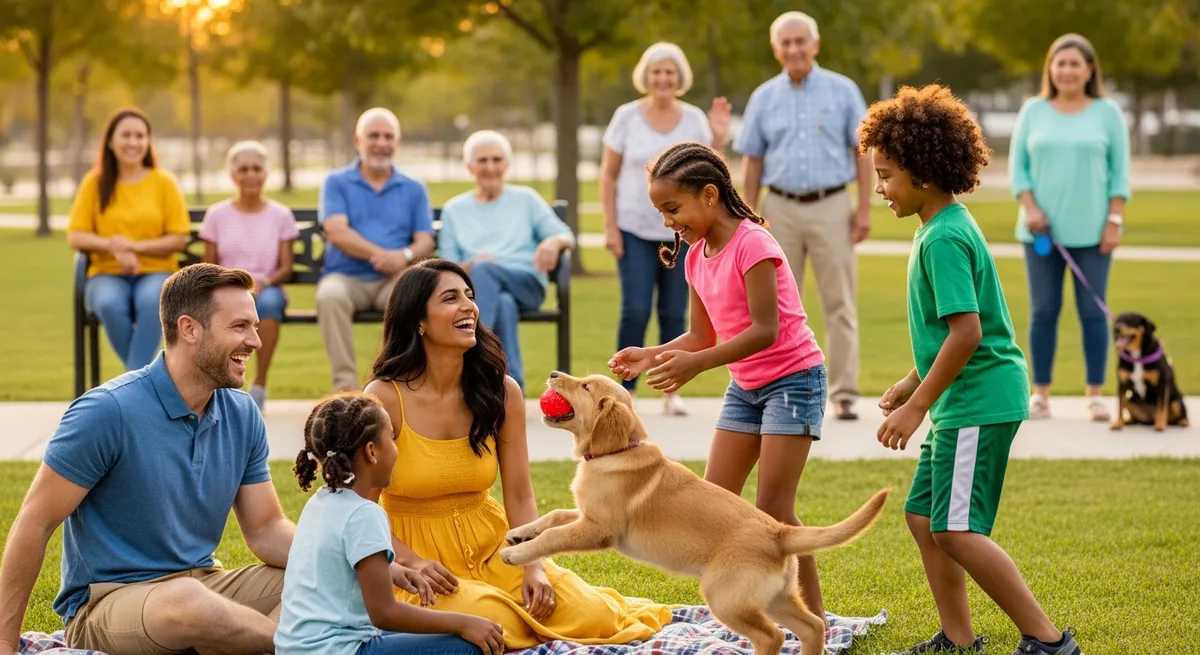
When you adopt a pet from a shelter, you're not just changing one life. You're setting off a chain reaction that reaches far beyond your front door. Every single adoption creates space, saves resources, and opens the door for another animal in need. The impact is bigger than most people realize.
You Free Up a Kennel — and That Saves a Life
Shelters operate with limited capacity. Every kennel, crate, and foster slot is a finite resource. When you adopt, you free up physical space that another animal desperately needs. In high-intake shelters, that open kennel can mean the difference between an incoming animal being accepted or turned away.
During peak intake seasons — kitten season in spring and summer, owner surrender spikes after the holidays — shelter capacity becomes a life-or-death equation. Your adoption directly reduces that pressure. (Read about the advantages of adopting a pet already in foster to see how foster programs multiply this impact.)
It's not abstract. The day you take your new pet home, another animal can come in off the street, out of a dangerous situation, or from another overcrowded facility. That's the ripple starting.
Your Adoption Fee Funds the Next Rescue
Adoption fees aren't profit for shelters. They cover spay/neuter surgery, vaccinations, microchipping, deworming, and basic veterinary care for the animal you're adopting. But those fees also feed back into the shelter's operating budget, funding the care of animals still waiting.
Many shelters operate on razor-thin budgets. Every adoption fee helps cover food, medical treatments, behavioral rehabilitation, and facility maintenance for the animals who haven't found homes yet. When you adopt, your fee directly supports the next intake, the next surgery, and the next chance for a pet who's still waiting. For a full breakdown of what you're actually paying for, see Can I Afford a Pet? Expenses You Should Know About.
You Reduce the Demand for Commercial Breeding
Every adoption is one less purchase from a pet store or online breeder. The economics are simple — when more people adopt, demand for commercially bred animals drops. This matters because commercial breeding operations prioritize volume over welfare, and the animals in those facilities often live in conditions that would horrify most pet owners.
Adoption normalizes the idea that shelter pets are not second-choice animals. They're dogs and cats with real personalities, real potential, and real love to give. When your friends see your happy, healthy adopted pet, it changes their perception too. That's another ripple. For the full case, read Adopt Don't Shop: Why Shelter Pets Are the Smarter, More Rewarding Choice.
You Influence the People Around You
Adoption is contagious — in the best way. When you bring home a shelter pet, you become a walking endorsement for adoption. Your family, friends, coworkers, and social media followers see your pet, hear your story, and start thinking differently about where their next pet might come from.
Studies consistently show that personal stories are the most powerful driver of adoption behavior. People don't adopt because of statistics. They adopt because their neighbor adopted a nervous rescue dog who turned into the sweetest, most loyal companion they've ever seen. Your story becomes someone else's inspiration.
You Support the Shelter Staff and Volunteers
Shelter workers pour their hearts into animal care — often for low pay, long hours, and emotionally grueling work. Every adoption is a win for the people who bathed, fed, walked, and advocated for that animal. It's a reminder that their work matters.
When adoption rates are strong, morale stays high. Staff and volunteers stay longer, provide better care, and advocate harder for the animals still in the shelter. Your adoption doesn't just help one animal — it sustains the people who help all of them.
You May Inspire a Foster
Not everyone is ready to adopt, but many people are willing to foster. When they see your adoption story, some will think, "I can't commit forever, but I could help temporarily." Foster homes are the backbone of rescue operations, and they're always in short supply.
Every person who decides to foster because they saw your adoption success story creates even more capacity for the shelter system. That's one more kennel open, one more animal safe, one more chance at a happy ending. Learn more about the foster path in The Advantages to Adopting a Pet in Foster.
The Ripple You Can't See
Some effects of your adoption are invisible but real:
- The shelter can say yes to an emergency surrender because your adoption freed space
- A dog who was on the euthanasia list gets moved to the "available" board because resources shifted
- A cat in a hoarding case gets pulled into rescue because there's now room
- A neighboring shelter transfers animals to yours because capacity just opened up
- A child in your community grows up seeing adoption as normal, and carries that forward for life
None of these show up in your adoption paperwork. But they happen. Every time.
How PawMates Pro Amplifies the Ripple
PawMates Pro connects you with adoptable pets from shelters and rescues across the Bay Area — not just one shelter, but the entire regional network. Our compatibility-matching layer helps you find a pet whose personality, energy level, and needs align with your lifestyle, which means better matches and fewer returns. Every successful adoption that sticks is a stronger ripple than one that bounces back.
When you adopt through a PawMates Pro partner shelter, the shelter gets real-time analytics on adoption outcomes, adopter engagement, and animal welfare metrics. That data helps them improve their programs, refine their matching, and ultimately save more lives. Your adoption doesn't just create a ripple — it generates data that makes the entire system smarter.
Start Your Ripple Today
You don't need to adopt ten pets to make a difference. One adoption does more than you think. It saves a life, supports a shelter, influences your community, and creates space for the next animal who needs it most.
Browse adoptable pets near you on PawMates Pro and find the one who's been waiting for you. Your ripple starts the moment you bring them home.
Frequently Asked Questions About Pet Adoption Impact
Does adopting one pet really make a difference?
Yes. Every single adoption frees a kennel for another animal, funds shelter operations through the adoption fee, and reduces demand for commercially bred pets. Shelters operate at or near capacity, so one adoption can directly determine whether an incoming animal is accepted or turned away.
What happens at the shelter when I adopt a pet?
When you adopt, the shelter gains an open kennel, receives an adoption fee that funds veterinary care and facility costs for remaining animals, and can accept a new intake — whether from owner surrenders, stray rescues, or transfers from overcrowded facilities.
How does pet adoption reduce puppy mills and backyard breeding?
Every adoption is one fewer purchase from a breeder or pet store. As adoption rates increase, consumer demand for commercially bred animals decreases, reducing the economic incentive for puppy mills and high-volume breeding operations to continue.
Can my pet adoption inspire other people to adopt?
Research consistently shows that personal adoption stories are the most powerful driver of adoption behavior. When people see a friend, family member, or coworker with a happy, healthy adopted pet, they are significantly more likely to choose adoption themselves.
What is the ripple effect of pet adoption?
The ripple effect of pet adoption refers to the chain of positive outcomes that a single adoption creates: freeing shelter space, funding animal care, reducing breeding demand, inspiring others to adopt or foster, supporting shelter staff morale, and creating community-wide shifts in how people think about pet ownership.
Related Articles