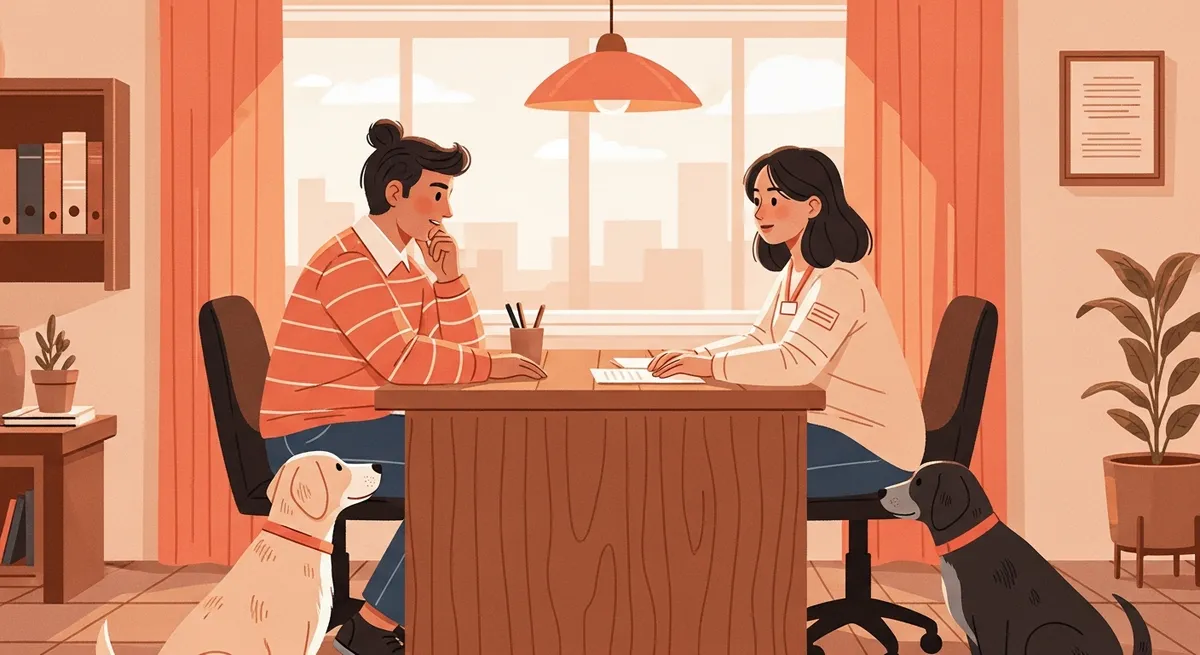
Almost every shelter has the same painful pattern: someone applies for a dog or cat, gets approved, comes in to meet the animal, says yes — and then disappears. The leash sits at the front desk. The kennel stays full. Staff has to call, follow up, and eventually re-list. Animal adoptions fall through more often than the public realizes, and the failures cluster around the same handful of causes. The good news is most of them are fixable.
How often this actually happens
Across the shelters in our dataset, between 12% and 28% of approved adoption applications never finalize. The variance has very little to do with the animals and almost everything to do with shelter process. The shelters at the low end of that range share a tight, well-communicated workflow from application to "leashing up." The shelters at the high end usually have one or more invisible failure points — and they don't know which.
The seven reasons adoptions fall through, in order of frequency
1. Slow application response. A 72-hour wait on a Saturday application is enough to lose a serious adopter to another shelter, a breeder, or simply a change of mind. The single highest-leverage fix in adoption flow is shrinking application response time. How to Improve Animal Adoption Rates covers the SLAs that actually move the needle.
2. Landlord / housing surprise. The applicant believed they were allowed to have a dog, called the landlord on the way to the shelter, and learned otherwise. A simple landlord-confirmation step before final approval cuts these losses in half.
3. Allergies discovered at the meet-and-greet. Especially for cats, an in-person visit reveals an allergy nobody expected. There's no fix for this, but you can rescue the relationship by re-matching the family with a hypoallergenic-friendlier breed before they walk out.
4. Family veto. One spouse, partner, parent, or roommate wasn't fully on board. Ensuring the *whole household* meets the pet before paperwork solves most of this.
5. Behavior reveal at meet-and-greet. The animal behaves differently in the meet-and-greet room than the adopter expected from the listing. This usually traces back to bio honesty — see How Shelters Should Handle Bite History Disclosures at Surrender for the broader principle: full disclosure up front converts better than soft-pedaling.
6. Cost shock. Adoption fee plus license plus first vet visit plus food plus crate plus toys adds up to far more than the listed fee. Shelters that publish a plain-English "first month total cost" estimate up front lose dramatically fewer adopters at checkout.
7. The animal got adopted by someone else first. First-come-first-served chaos when multiple applications come in simultaneously. A clean queueing rule and a "we have other applicants on this pet" notice in the response email manages expectations and keeps the runner-up engaged.
The bigger pattern: communication friction
Five of those seven causes are communication failures, not screening failures. The animal didn't change. The adopter didn't change. The information transfer between them broke down. Shelters that treat adoption flow as a *messaging* problem — clear, fast, complete information from listing through finalization — almost always have the lowest fall-through rates.
What to actually change tomorrow
- Auto-acknowledge every application within 5 minutes. Even a templated "we have your application, here's what happens next" buys you days of patience.
- Set a 24-hour decision target. Track it. If you're missing it, the workflow is the problem, not the volume — see How to Fix Broken Shelter Workflows.
- Require landlord confirmation before scheduling the meet. Two minutes of upstream work prevents an entire wasted appointment.
- Require all household members at the meet-and-greet. Including kids and other pets where appropriate.
- Publish total first-month cost estimates on every listing.
- Send a same-day "what to bring" email when a meet is booked: ID, deposit method, household members, prior pet info if any.
- Send a 24-hour-before reminder with the pet's photo and the shelter address.
Where modern shelter software helps
Most fall-throughs trace to manual handoffs that nobody owned. PawMates Pro automates the application acknowledgment, queues incoming applications by submission time, surfaces the household-member and landlord-confirmation steps as required fields, and triggers the reminder cadence on its own. When an application sits more than 24 hours, it shows up red on the adoptions dashboard. When a meet is scheduled, the adopter automatically gets the prep email and the day-before reminder. Staff stops doing the bookkeeping; the system does it. (For a fuller view of how this changes a shelter's day, see A Day in the Life of a Shelter Using PawMates Pro.)
The downstream payoff
Reducing fall-throughs doesn't just save staff time. It reduces length of stay (every fallen-through adoption resets the clock), reduces re-listing work, and protects animals from another emotional reset. It also lifts your real adoption rate, which is the metric the public actually sees. How to Reduce Length of Stay (LOS) in Animal Shelters covers how this fits into the broader LOS picture.