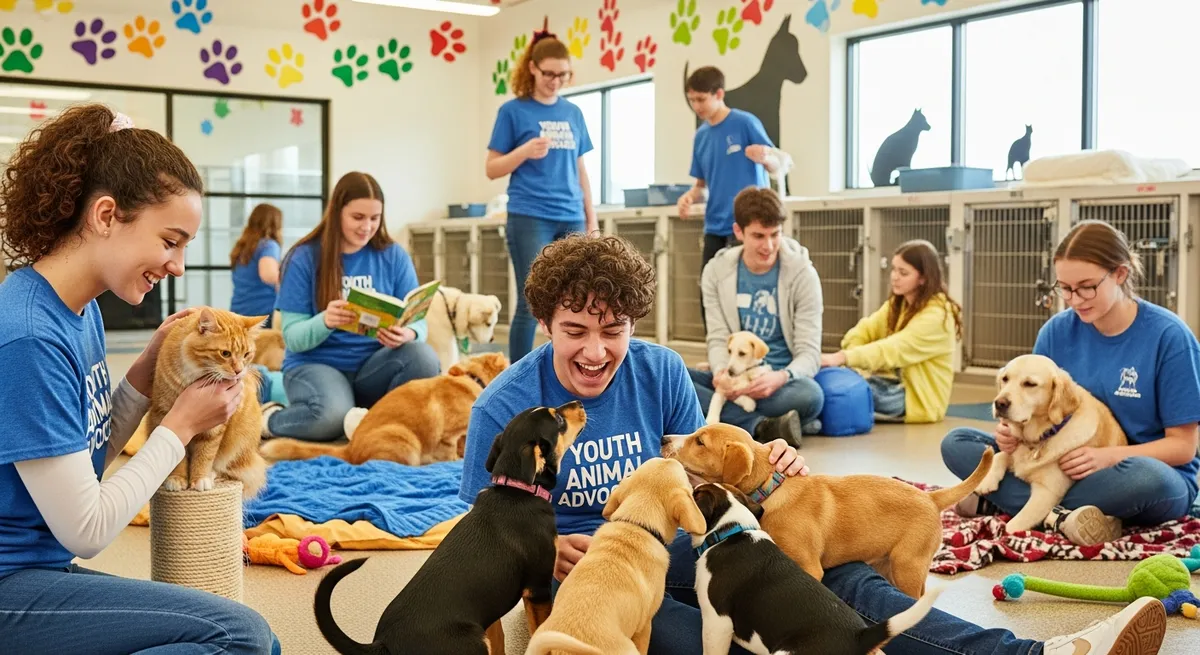
Youth volunteer programs are one of the most underutilized resources in animal sheltering. Done well, they provide shelters with reliable, enthusiastic labor while building a pipeline of future adopters, donors, foster families, and animal welfare professionals. Done poorly — or not done at all — shelters miss an opportunity to expand their capacity and strengthen their community roots.
The hesitation is understandable. Youth programs require structure, supervision, liability planning, and age-appropriate task design. Many shelter directors see the upfront investment and decide it is not worth the operational complexity. But shelters that have built successful youth programs consistently report that the return on investment — in labor hours, community engagement, and long-term organizational sustainability — far exceeds the setup cost.
This guide covers how to design, launch, and sustain a youth volunteer program that genuinely benefits both the shelter and the young people who participate.
Why Youth Volunteer Programs Matter for Shelters
The case for youth programs goes beyond "free labor." Strategic youth engagement provides:
- Workforce development: Youth volunteers handle tasks that free up paid staff for higher-skill work — laundry, dishes, food prep, socialization, kennel enrichment, administrative tasks, and event setup.
- Community pipeline: Today's 14-year-old volunteer is tomorrow's adopter, donor, foster parent, or veterinary professional. Building early relationships creates lifelong supporters.
- Public awareness: Youth volunteers bring their families into your ecosystem. Parents, siblings, and friends become aware of your shelter, your mission, and your animals.
- Social media amplification: Young volunteers are digital natives. They share shelter content, create their own, and expose your animals to audiences your official accounts cannot reach.
- Organizational culture: Youth energy and enthusiasm are genuinely revitalizing for shelter staff who deal daily with the emotional weight of animal welfare work.
Age Groups and Program Structure
Not all youth are the same. Design your program with age-appropriate tiers:
Ages 10-13: Junior Volunteers
- Activities: Supervised animal socialization (sitting with cats, reading to dogs), laundry, dish washing, toy cleaning, food preparation, craft projects for enrichment items, administrative tasks like filing or organizing
- Supervision ratio: 1 adult supervisor per 4-6 juniors
- Time commitment: 2-3 hour shifts, typically weekends only
- Requirements: Parent/guardian must sign liability waiver and consent form. Some shelters require a parent to remain on-site during shifts.
- Animal interaction: Supervised only, with pre-screened, temperament-tested animals
Ages 14-17: Teen Volunteers
- Activities: All junior activities plus dog walking, kennel cleaning, adoption event support, photography for adoption listings, social media content creation, data entry, front desk assistance, tour guiding
- Supervision ratio: 1 adult supervisor per 8-10 teens
- Time commitment: 3-4 hour shifts, weekdays and weekends
- Requirements: Application, orientation session, signed waiver. Some shelters require a minimum GPA or school recommendation.
- Animal interaction: Direct interaction with approved animals after training
Ages 16-18: Advanced Teen Volunteers / Internship Track
- Activities: All teen activities plus foster care support, adoption counseling observation, behavioral assessment assistance, event planning, social media management, volunteer coordination support
- Supervision ratio: 1 adult supervisor per 10-12 advanced teens
- Time commitment: Regular weekly schedule, minimum 6-month commitment
- Requirements: Previous volunteer experience preferred, interview, background check for those 18+
- Animal interaction: Expanded access including behavioral assessment participation
Designing the Application and Onboarding Process
A structured onboarding process sets expectations and protects both the youth and the shelter.
Application
- Basic information: name, age, school, parent/guardian contact
- Interest statement: Why do you want to volunteer? What are you hoping to learn?
- Availability: Days, times, and any scheduling constraints
- Experience: Previous volunteer work, pet ownership, relevant skills
- References: For advanced teen programs, one teacher or community reference
Orientation (Required Before First Shift)
- Facility tour and safety protocols (emergency exits, first aid, bite prevention)
- Animal handling basics: approach, body language reading, when to back off
- Hygiene protocols: hand washing, shoe covers, cleaning procedures
- Confidentiality: Adopter information, medical records, euthanasia decisions
- Social media policy: What can and cannot be shared publicly
- Chain of command: Who to report to, how to ask for help, how to report concerns
Training Program
Build a progressive training pathway:
- Week 1-2: Shadow experienced volunteers. Observe animal handling. Complete safety certifications.
- Week 3-4: Supervised task performance. Practice animal handling with gentle, known-temperament animals.
- Month 2+: Independent task performance within approved scope. Gradual expansion of responsibilities based on demonstrated competence.
Safety, Liability, and Legal Considerations
Youth programs create specific legal and safety obligations:
- Liability waivers: Require signed waivers from parents/guardians for all minors. Have your waiver reviewed by legal counsel to ensure it covers animal bites, slips, falls, and exposure to cleaning chemicals.
- Insurance: Verify that your organization's liability insurance covers youth volunteers. Some policies require specific endorsements for minors.
- Animal screening: Only allow youth to interact with animals that have been temperament-tested and cleared for youth contact. Maintain a clear list of "youth-approved" animals and update it regularly.
- Incident protocols: Document every incident — no matter how minor. Bites, scratches, falls, and near-misses should all be recorded and reported to the supervising adult immediately.
- Mandatory reporting: Staff supervising youth are often mandatory reporters for child abuse and neglect. Ensure all supervisors understand their reporting obligations.
- Work hour restrictions: Depending on your state, labor laws may apply to youth volunteers — particularly for structured programs with regular schedules. Consult local regulations.
Supervision and Mentorship
The quality of supervision determines the quality of the program. Assign dedicated adult mentors — not just whoever happens to be on shift.
Effective mentors:
- Enjoy working with young people (this cannot be forced)
- Have strong animal handling skills to model proper technique
- Understand age-appropriate expectations (a 12-year-old will make mistakes differently than an adult)
- Provide constructive feedback without discouraging participation
- Recognize when a youth volunteer is struggling and intervene proactively
Create a mentorship structure where advanced teen volunteers help supervise junior volunteers. This builds leadership skills, reduces the adult supervision burden, and creates a peer support network within the program.
Retention and Recognition
Youth volunteer attrition is the biggest ongoing challenge. Combat it with:
- Clear progression: Show volunteers a path from junior to teen to advanced to potential paid positions or internship recommendations
- Recognition programs: Monthly "volunteer spotlight" features on social media, annual awards, thank-you events, letters of recommendation for college applications
- Skill development: Offer certifications (pet first aid, Fear Free certification, animal handling), which give volunteers tangible credentials
- Service hour tracking: Many schools require community service hours. Make tracking and verification easy — digital management systems like PawMates Pro can automate hour logging and generate verification reports
- Social connection: Create opportunities for youth volunteers to connect with each other — group shifts, team projects, social events
- Meaningful work: Youth volunteers stay when they feel their contributions matter. Assign real responsibilities, not busywork. Share adoption success stories that they contributed to.
Integrating Youth Programs with Shelter Operations
Youth programs fail when they operate in isolation from daily shelter operations. Integrate youth volunteers into your workflow:
- Enrichment teams: Youth volunteers are excellent at implementing enrichment programs — making puzzle toys, conducting socialization sessions, providing one-on-one attention
- Photography and content creation: Train interested teens to take adoption photos and videos, create social media content, and write pet bios
- Event support: Adoption events, fundraisers, and community outreach activities are natural fits for youth volunteers who bring energy and enthusiasm
- Data and administrative support: Older teens can assist with data entry, filing, phone answering, and other administrative tasks that consume staff time
- Special campaigns: Involve youth in developing and executing marketing campaigns for overlooked animals
PawMates Pro helps shelters manage volunteer scheduling, task assignment, and hour tracking through its platform, reducing the administrative overhead of running a youth program while maintaining the documentation needed for liability protection and school service hour verification.
School and Community Partnerships
Expand your reach through institutional partnerships:
- School service-learning programs: Partner with local schools to offer structured service-learning opportunities that count toward graduation requirements. Provide curriculum-aligned educational components.
- Scout troops: Animal welfare projects align well with scouting badge requirements. Design shelter-based projects that troops can complete.
- 4-H and FFA: Agricultural and animal science clubs are natural partners for shelter youth programs. Offer specialized programming that complements their existing curricula.
- Homeschool groups: Homeschool families often seek structured volunteer opportunities. They tend to have schedule flexibility that traditional students do not.
- College prep and career exploration: For high school students interested in veterinary medicine, animal behavior, nonprofit management, or social work, frame your program as career exploration with mentorship from professionals.
Measuring Program Impact
Track your youth program's contributions:
- Volunteer hours contributed: Total hours and per-volunteer averages
- Task completion: Enrichment sessions conducted, animals socialized, photos taken, events supported
- Retention rates: What percentage of youth volunteers stay for 3 months? 6 months? A year?
- Pipeline conversion: How many youth volunteers become adult volunteers, foster families, or adopters?
- Staff impact: Has the youth program freed up staff time for higher-priority tasks?
- Community reach: How many families has the program brought into your shelter's ecosystem?
---
Frequently Asked Questions
What is the minimum age for youth volunteer programs at animal shelters?
Most shelters set the minimum age at 10-12 for junior programs with heavy supervision, and 14-16 for programs with direct animal interaction. The appropriate age depends on your facility layout, animal population, supervision capacity, and local regulations. Some shelters offer family volunteer sessions for children under 10 with a parent present.
How do shelters manage liability for youth volunteers?
Comprehensive liability waivers signed by parents/guardians, adequate insurance coverage (verified to include minors), strict animal screening protocols for youth-approved interactions, incident documentation, and trained adult supervision are the essential liability management tools. Consult legal counsel when designing your program.
What tasks are appropriate for youth volunteers?
Age 10-13: supervised animal socialization, laundry, cleaning, toy making, administrative tasks. Age 14-17: dog walking, kennel cleaning, photography, social media, front desk. Age 16-18: foster support, adoption counseling observation, event planning, volunteer coordination. Always match tasks to individual maturity and training level, not just age.
How can shelters retain youth volunteers long-term?
Clear progression paths, meaningful work (not busywork), recognition programs, skill development opportunities, social connections with peers, and easy service-hour tracking are the primary retention drivers. Shelters that invest in relationships with youth volunteers — knowing their names, celebrating their contributions, supporting their goals — retain significantly more volunteers than those that treat them as interchangeable labor.
Do youth volunteer programs actually benefit shelter operations?
Yes. Shelters with active youth programs consistently report increased animal socialization, better adoption listing quality (through youth-created photos and content), expanded community awareness, and freed staff time. The upfront investment in program design and supervision is typically recovered within the first year through volunteer labor hours and community engagement benefits.
Related Articles