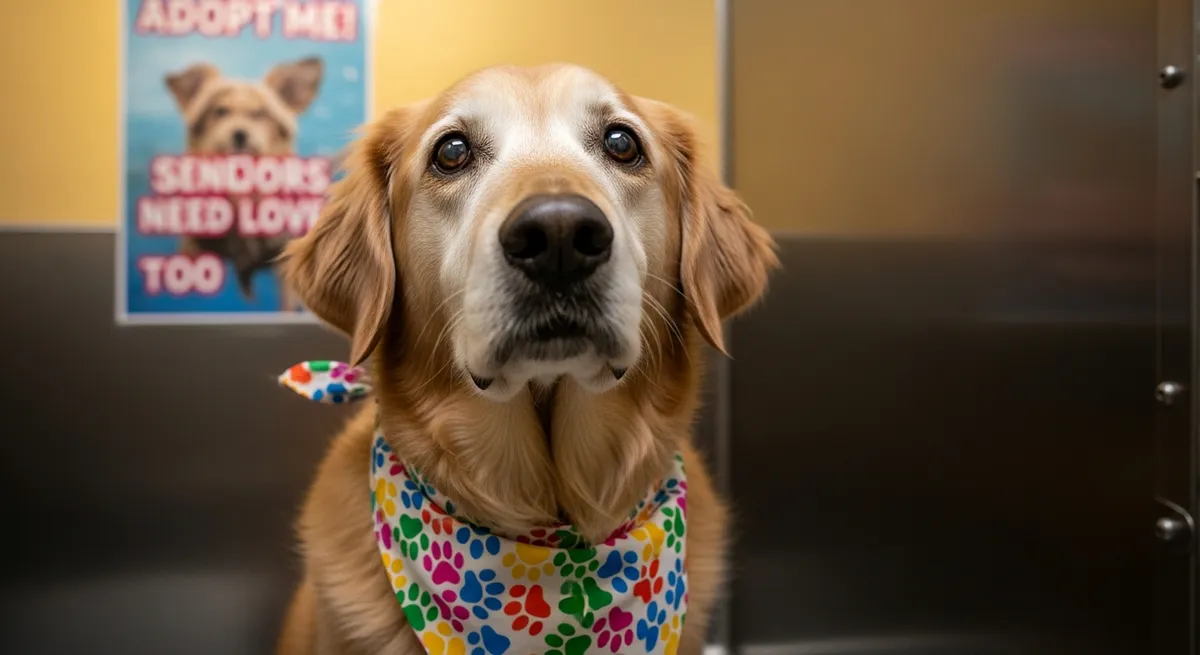
Every shelter has them — the animals that get passed over week after week. Senior pets. Black cats. Large breed dogs. Animals with medical conditions, behavioral quirks, or simply the bad luck of being less photogenic than the puppy in the next kennel. These overlooked animals represent some of the most adoptable pets in your facility, but without intentional marketing campaigns, they become invisible.
The problem is not that these animals are unadoptable. The problem is that standard shelter marketing defaults to showcasing the easiest placements — kittens, puppies, and conventionally attractive breeds. Overlooked animals need campaigns designed specifically for them: targeted messaging, creative storytelling, and strategic visibility that breaks through adopter assumptions.
This guide covers how to build, execute, and measure special campaigns that move your hardest-to-place animals into homes.
Identifying Your Overlooked Population
Before building a campaign, define who it targets. Common categories of overlooked animals include:
- Senior pets (7+ years for dogs, 10+ for cats): Perceived as short-lived or expensive
- Black animals: The "black dog syndrome" and "black cat effect" are well-documented in shelter data
- Large or bully-breed dogs: Face breed restrictions, size concerns, and insurance complications
- Animals with chronic medical conditions: Diabetes, FIV+, three-legged pets, blind or deaf animals
- Long-stay residents: Animals in the shelter for 30+ days who have become "part of the furniture"
- Shy or fearful animals: Those that don't present well in kennel environments but thrive in homes
- Bonded pairs: Two animals that need to be adopted together
Pull data from your shelter management system to identify patterns. Which animals have the longest average stays? Which demographics have the lowest adoption rates? PawMates Pro's analytics dashboard can surface these trends automatically, helping you prioritize which populations need campaign support first.
Naming and Branding Your Campaign
A campaign needs an identity. A name, a visual style, and a consistent message that makes it recognizable across all channels. Generic "adopt a pet" messaging does not work for overlooked populations because it competes with the general noise of your regular adoption marketing.
Effective campaign names are specific and emotionally resonant:
- "Golden Oldies" for senior pet campaigns
- "Back in Black" for black animal adoption events
- "Second Chance Seniors" for older animals with medical histories
- "Hidden Gems" for shy or overlooked animals
- "Long-Timers Looking for Love" for extended-stay residents
Create branded graphics, hashtags, and templates that staff and volunteers can use consistently. Visual consistency across social media, email, in-shelter signage, and your website reinforces the campaign identity and builds recognition over time.
Storytelling Over Statistics
Adopters do not respond to data. They respond to stories. Every overlooked animal has one — the challenge is getting it told.
Assign a staff member or volunteer to write individual profiles for campaign animals. These are not standard adoption bios. They are narrative introductions:
Instead of: "Max, 9-year-old lab mix, good with kids, house-trained."
Write: "Max spent nine years as someone's best friend. He knows sit, stay, and exactly which couch cushion is the most comfortable. He just needs someone to share it with again."
The power of a great pet description cannot be overstated for overlooked animals. Their bios need to counter the specific assumptions that keep them from being adopted: senior pets are too old, medical pets are too expensive, shy pets are too difficult.
Video Content Is Non-Negotiable
For overlooked animals, video is the single most effective marketing tool. Photos of a black dog in a kennel look the same as every other black dog in a kennel. A 30-second video of that same dog doing a play bow, cuddling with a volunteer, or showing off their tricks tells an entirely different story.
Create short-form video content (15-60 seconds) for each campaign animal:
- Day-in-the-life clips: Show the animal on a walk, playing, eating, resting
- Staff testimonials: "This is who Bruno really is when he's not in his kennel"
- Before-and-after: Animals that were scared on intake but have blossomed during their stay
- Skill showcases: Tricks, leash manners, recall, good behavior with other animals
Post these on Instagram Reels, TikTok, Facebook, and embed them on your website. Strategic social media use can exponentially expand the visibility of campaign animals beyond your local adopter pool.
Fee Waivers and Sponsorship Programs
Adoption fees are a real barrier for some adopters, and they are a perceived barrier for many more. For campaign animals, consider:
- Reduced or waived fees: Temporarily reduce fees for campaign animals. Track the impact on adoption volume to determine ROI.
- Corporate sponsorships: Partner with local businesses to sponsor adoption fees. The business gets community goodwill and marketing exposure; the shelter gets funded adoptions.
- Community-funded sponsorships: Allow donors to "sponsor" specific animals, pre-paying their adoption fees so adopters pay nothing. Feature sponsored animals prominently on your website and social channels.
- Medical care packages: For animals with ongoing medical needs, bundle post-adoption vet care with the adoption to reduce the perceived cost.
In-Shelter Visibility
Overlooked animals are often physically overlooked — located in back kennels, in medical holds, or in areas of the facility that casual visitors do not reach.
Move campaign animals to high-traffic areas. Create eye-catching kennel cards with campaign branding. Use QR code kennel cards to give visitors instant access to the animal's full story, video content, and adoption application.
Set up "featured animal" displays near the entrance. Rotate campaign animals through meet-and-greet rooms during peak visiting hours. Make it impossible for visitors to leave without encountering at least one campaign animal.
Partnerships and Media Outreach
Overlooked animal campaigns make excellent media stories. Local news stations, community blogs, and neighborhood newsletters are often eager to feature:
- "Longest resident" stories (with a happy update when they get adopted)
- Senior pet features around holidays
- Medical success stories (three-legged dogs thriving, FIV+ cats living their best lives)
- Black pet campaigns around Halloween (countering superstition with education)
Partner with local influencers, pet bloggers, and community organizations to amplify campaign reach. Provide them with ready-to-share content — photos, videos, bios, and key messages — so they can post without additional effort.
Tracking and Measuring Campaign Impact
Without measurement, you cannot improve. Track the following for every campaign:
- Number of campaign animals adopted during the campaign period vs. baseline
- Average length of stay for campaign categories before and after
- Social media engagement metrics (views, shares, comments) on campaign content
- Adoption inquiry volume for campaign animals
- Return rates for campaign-adopted animals (to ensure quality placements)
PawMates Pro's reporting tools allow shelters to segment adoption data by animal demographics, time period, and marketing channel. This level of insight helps you understand which campaigns are worth repeating and which need adjustment.
Sustaining Momentum Beyond the Campaign
One-time campaigns create spikes. Sustained programs create culture change. After a successful campaign, integrate what worked into your ongoing operations:
- Maintain a permanent "Featured Animals" section on your website for long-stay residents
- Train adoption counselors to proactively recommend overlooked animals to suitable adopters
- Build a monthly "spotlight" series on social media featuring one overlooked animal each week
- Create automated alerts when animals hit length-of-stay thresholds so campaigns can begin before animals become truly stuck
The shelters that move the most overlooked animals are not the ones with the biggest budgets. They are the ones with the most consistent, strategic, and data-informed marketing approaches.
---
Frequently Asked Questions
What types of animals are most commonly overlooked in shelters?
Senior pets, black animals, large or bully-breed dogs, animals with chronic medical conditions, shy or fearful animals, long-stay residents, and bonded pairs are the most commonly overlooked populations. These animals are often just as adoptable as their more "marketable" counterparts but need targeted campaigns to overcome adopter biases and assumptions.
How long should a special adoption campaign run?
Most effective campaigns run 2-4 weeks, providing enough time to build awareness and reach potential adopters without losing urgency. Some shelters run ongoing programs like permanent "Featured Animals" sections or monthly spotlight series. The key is consistent execution and measurement throughout the campaign period.
Do fee waivers lead to lower-quality adoptions?
Research does not support this concern. Multiple studies have found no significant difference in return rates, reported satisfaction, or animal welfare outcomes between fee-waived and full-fee adoptions. The adoption counseling process — not the fee amount — is the primary driver of adoption quality.
How can small shelters with limited budgets run effective campaigns?
Focus on free channels: social media, community partnerships, and volunteer-created content. A smartphone video of a long-stay dog learning a new trick can outperform a professionally produced ad. Partner with local businesses for fee sponsorships and leverage your volunteer base for content creation and community outreach.
What metrics should shelters track for campaign success?
Track adoption rates for campaign animals versus baseline, average length of stay changes, social media engagement, adoption inquiry volume, return rates for campaign-adopted animals, and cost per adoption for sponsored campaigns. These metrics help shelters understand what works and allocate resources effectively.
Related Articles