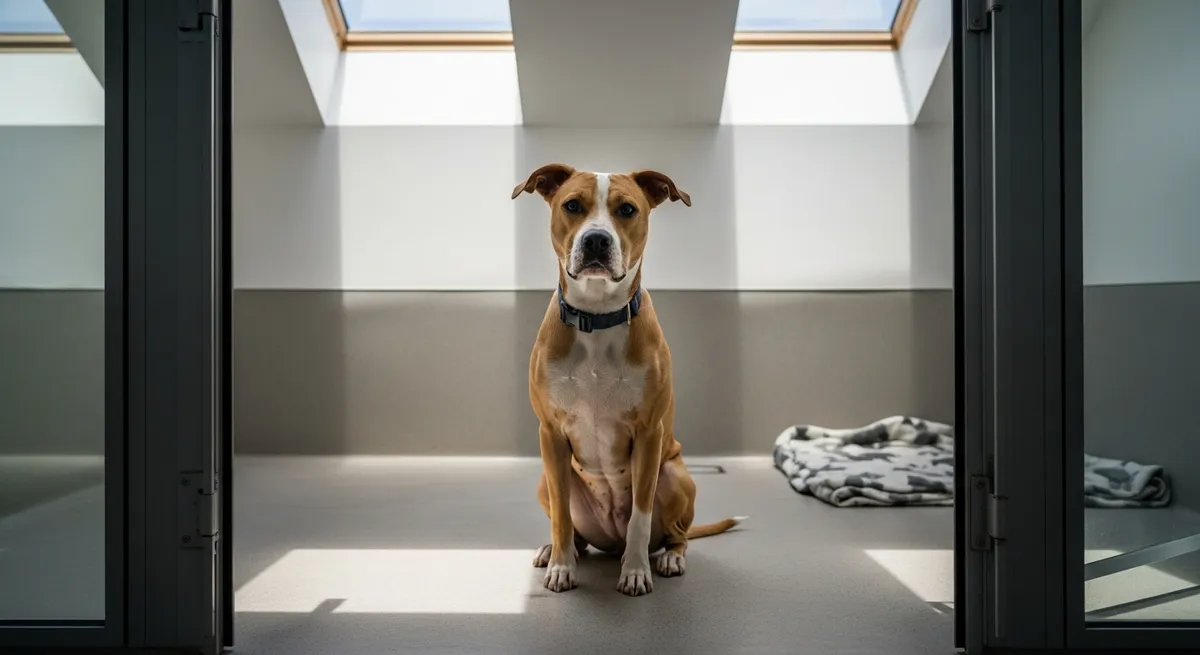
The most rehomed dog breed in U.S. shelters is, by a substantial margin, the American Pit Bull Terrier and pit-bull-type mixes. Depending on the year and the data source, pit-bull-type dogs make up between 20 and 40 percent of the U.S. shelter population, and have the longest average length of stay before adoption. The runners-up shift over time, but the pattern is consistent.
This post explains why, what the data does and does not actually say about these dogs, and what adopters should know if they are considering one.
The data, in plain terms
The HSUS, ASPCA, Best Friends Animal Society, and Shelter Animals Count all publish annual shelter-population estimates. The summary, averaged across recent years:
1. Pit-bull-type dogs (American Pit Bull Terrier, Staffordshire Bull Terrier, mixes thereof) — by a wide margin the most surrendered, longest-staying, and most-rehomed group.
2. Chihuahuas and chihuahua mixes — heavily over-represented in West Coast and Southwest shelters; often surrendered for behavioral issues stemming from poor socialization in puppyhood.
3. Labrador Retrievers and Lab mixes — high absolute numbers because the breed is so common; not over-represented as a percentage of breed population.
4. German Shepherd and shepherd mixes — high surrender rate among adolescents (8 to 18 months) when the breed's working-dog energy and protective drive overwhelm households that did not anticipate them.
5. Huskies and northern breeds — heavily over-represented in their geographic regions, almost always surrendered for predictable husky behaviors (vocal, escape artists, prey drive, high exercise needs) that the adopter did not research.
6. Hound mixes (especially in the southern U.S.) — high intake from rural areas and stray populations.
The list shifts year to year, but the top spot has not.
Why pit-bull-type dogs end up in shelters at high rates
This is the question that matters. It is not about the dogs' temperament — temperament-test data on pit-bull-type dogs is consistently in line with or better than other popular breeds. The drivers are structural:
- Breed-specific legislation (BSL). Some cities, counties, and entire countries restrict or prohibit pit-bull-type dogs. People who own them are forced to surrender when they move to BSL areas, lose their housing, or change apartments.
- Insurance restrictions. Many homeowners-insurance policies and most rental-property policies exclude pit-bull-type dogs. This is the single largest driver of surrender for adopted-out dogs returning to shelters.
- Housing. A large percentage of multi-family rental housing prohibits pit-bull-type dogs by lease clause. Renters surrender when they cannot find new housing.
- Misperception of behavior. A pit-bull-type dog showing normal arousal or play looks more "intense" than the same behavior in a Lab, leading to early surrender for "aggression" that is not actually aggression.
- Backyard breeding and over-supply. Pit-bull-type dogs are over-bred in many regions, producing more than the adoption market can absorb.
The result is a population of dogs that, on average, are no more difficult than other breeds — but face structural barriers to staying in homes.
What adopters should know about adopting a pit-bull-type dog
- Temperament evaluation matters more than breed label. "Pit bull mix" describes a body type as much as a breed. Two dogs labeled the same way can have very different temperaments. The shelter's behavioral evaluation on the pet profile is what matters; the breed label is mostly inherited from a guess.
- Check housing and insurance compatibility before you adopt. This is the single most preventable cause of return. If your lease, HOA, or insurance has any restriction, sort it out before signing the adoption contract.
- Most pit-bull-type dogs are excellent family dogs. The reputation for aggression toward humans is contradicted by every credible temperament dataset. Aggression toward other dogs is more variable and depends on the individual dog — see the behavioral solutions guide for handling reactivity.
- They are physically powerful. A 60-pound dog who lunges hard on leash needs proper management equipment (front-clip Y-harness) and consistent training. This is true of any 60-pound dog.
- Training methodology matters more, not less, with strong dogs. The temptation to reach for prong collars or shock collars is highest with powerful dogs, and the welfare evidence against them is strongest for the same dogs. Find a credentialed reward-based trainer.
What about the small breeds?
Chihuahuas, in particular, are under-celebrated in adoption marketing. They are often available in large numbers, settle quickly into apartments, are inexpensive to feed and vet, and live 14 to 18 years. The behavioral issues they sometimes have (resource guarding, fear-based snapping) are very treatable with consistent reward-based work and were usually created by under-socialization as puppies, not by anything inherent to the breed.
If you are open to a small dog, your local shelter likely has a list. The wait is usually shorter and the pool is wider than people assume.
Where PawMates Pro fits in
The swipe-based pet discovery interface in PawMates surfaces pets to adopters based on the household's stated lifestyle, energy level, kid/cat/dog compatibility, and behavioral fit — not on breed label alone. That tends to surface excellent pit-bull-type dogs to households who would not have searched for "pit bull" but whose lifestyle is a strong match. Each pet's behavioral evaluation, foster-home notes, and prior-home history live on the profile, so you are matching to the actual dog rather than the breed page.
For the parallel question on choosing pet sex, see which makes a better pet: male or female?. For more adopter resources, browse the PawMates blog.