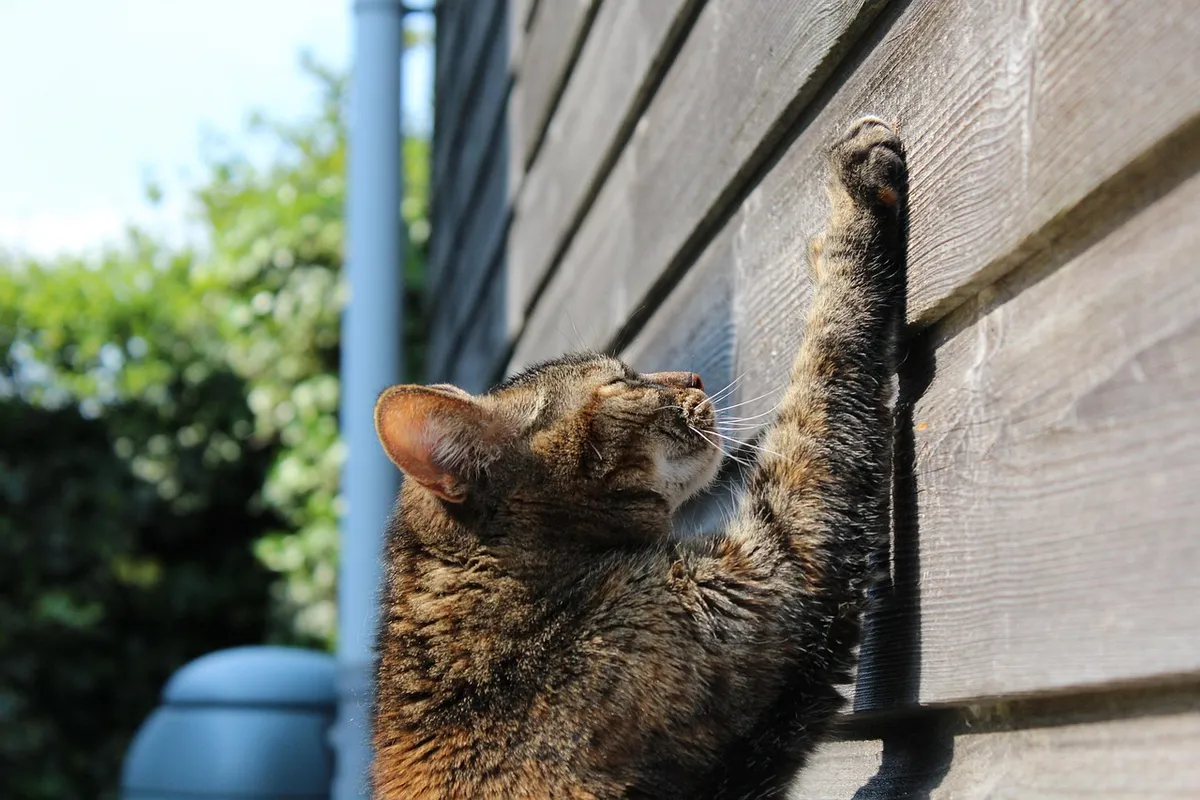
Declawing cats is still widely misunderstood — and often misrepresented as a simple cosmetic procedure. It's not. If you're a cat owner dealing with scratched furniture, shredded couches, or ongoing frustration, declawing might seem like a quick, permanent fix. But that assumption is exactly where people make a costly mistake. The reality is far more serious, and once you understand what declawing actually does, it becomes clear why so many veterinarians and animal welfare organizations oppose it.
This isn't about guilt — it's about accuracy. When cat owners have the full picture, they almost always choose a better path. In most cases, declawing becomes unnecessary because the real issue isn't the cat — it's the environment, expectations, or a mismatch between the cat and the home. (This ties directly into common mistakes new pet owners make — many issues stem from misunderstanding normal cat behavior.)
What Declawing Really Is (It's Not Just Nail Removal)
Declawing (onychectomy) is not the removal of a claw — it is the removal of the last bone in each toe. That distinction matters because it fundamentally changes how a cat stands, walks, and interacts with its environment.
Each claw is anchored to bone. During declawing, that bone is amputated. A useful comparison: it's like removing a human finger at the last joint. Cats rely heavily on their claws not just for scratching, but for balance, climbing, stretching, and defense. When those are removed, the entire biomechanics of the animal shifts.
Even when surgery is technically successful, the cat has to relearn how to distribute weight. Over time, this can lead to joint strain, posture changes, and subtle mobility issues that many owners don't immediately connect back to the procedure.
Why Declawing Is Controversial (And Increasingly Banned)
The controversy isn't emotional — it's based on consistent outcomes observed over time.
Physical Consequences:
- Chronic pain or nerve damage
- Arthritis due to altered gait
- Back and joint strain
- Ongoing paw sensitivity
Behavioral Fallout:
- Increased biting (loss of primary defense)
- Litter box avoidance due to pain when digging
- Anxiety, stress, or aggression
Here's the blunt reality: declawing often creates worse problems than the scratching you were trying to stop. Litter box avoidance alone is one of the top reasons cats get surrendered — and declawing is a known contributor to it. (If you're dealing with litter box issues, read our litter training guide before assuming it's behavioral.)

Many regions and veterinary associations now discourage or ban the procedure entirely because the long-term risks outweigh the short-term convenience.
Why Cats Scratch (And Why You Can't Eliminate It)
Scratching is not bad behavior — it's essential behavior.
Cats scratch to maintain claw health, stretch muscles, mark territory, and regulate stress. Even calm, well-adjusted cats will scratch daily. The difference between a "good" cat and a "destructive" one usually comes down to whether the environment supports that instinct.
Trying to eliminate scratching is like trying to eliminate barking in dogs. It's not realistic. The correct strategy is redirection — giving the cat better options and making those options more appealing than your furniture. This is one of the key things to get right when dog-proofing or cat-proofing your home before your new pet arrives.
Smarter Alternatives to Declawing
Most scratching problems are solvable without surgery. The issue is usually poor setup, not bad behavior.
Provide the Right Scratching Surfaces
Cats are selective. A short, unstable post tucked in a corner won't work.
- Use tall, sturdy vertical posts (30–36 inches minimum)
- Offer horizontal scratchers (cardboard works well)
- Choose textures like sisal — not carpet
- Placement matters more than the product. Put scratching options exactly where your cat already scratches.
Trim Nails Regularly
Equipment needed:
- Cat nail clippers
- Styptic powder (backup for minor cuts)
Trim every 2–3 weeks. This doesn't stop scratching, but it significantly reduces damage.
Use Nail Caps (Short-Term Tool)
- Soft vinyl caps applied over claws
- Last 4–6 weeks
- Useful during training or transition periods
They're not a permanent solution — but they buy you time.
Protect Furniture Strategically
- Double-sided tape (cats hate the texture)
- Furniture guards or covers
- Citrus-based deterrent sprays
This works best when combined with proper scratching alternatives — not as a standalone fix.
Reinforce the Right Behavior
Reward your cat when it uses the correct surface. Use treats, play, or attention. Avoid punishment — it increases stress and often makes scratching worse.
Troubleshooting Common Scratching Problems
"My cat ignores the scratching post"
This is almost always a setup issue. Move the post directly next to the problem area. Make it unavoidable. Add catnip or initiate play near it.
"My cat scratches more at night"
You're dealing with excess energy. Increase daytime stimulation, interactive play, and establish a feeding routine before bedtime to encourage sleep cycles.
"My cat is destroying everything"
That's usually not a discipline problem — it's an environment problem. The cat is likely understimulated, stressed, or mismatched with the household. Adding vertical space (cat trees, shelves) and consistent enrichment often fixes this faster than any deterrent. (This kind of persistent behavior may also signal separation anxiety — worth ruling out.)
When Scratching Signals a Bigger Problem
Persistent or extreme scratching can indicate deeper issues:
- Anxiety or environmental instability
- Lack of stimulation
- Poor adopter-cat compatibility
This is where most people go wrong — they try to correct behavior instead of addressing the root cause.
The Real Solution Most People Miss: Compatibility
Not all cats behave the same. Some are naturally high-energy and more prone to intense scratching. Others are calm, adaptable, and low-impact.
If you bring the wrong cat into the wrong environment, you will spend months trying to "fix" something that was predictable from the start.
That's where PawMates Pro becomes a strategic advantage — not just a convenience.
How PawMates Pro Prevents These Problems:
- Matches adopters with cats based on behavior, lifestyle, and environment
- Identifies tendencies like scratching intensity, activity level, and stress sensitivity
- Helps shelters place cats where they naturally succeed
Instead of reacting to problems after adoption, you prevent them entirely.
The result: fewer behavioral issues, less frustration, lower return rates, and no need to even consider declawing.
Equipment Checklist (No Surgery Required)
| Item | Purpose | Priority |
|---|---|---|
| Tall scratching post | Primary scratching outlet | High |
| Cardboard scratchers | Secondary option | High |
| Nail clippers | Damage control | High |
| Nail caps | Temporary protection | Medium |
| Furniture protectors | Prevent bad habits | Medium |
| Cat tree or shelves | Reduce stress & boredom | High |
The Bottom Line
Declawing is not a harmless shortcut — it's a permanent surgical alteration with real physical and behavioral consequences. Most people consider it because they're frustrated, not because they understand it.
If you step back and approach the problem correctly — by meeting your cat's needs, setting up the environment properly, and choosing a cat that fits your lifestyle — you eliminate the issue without harming the animal. Making sure you can afford the ongoing costs of proper cat care (scratching posts, enrichment, regular nail trims) is part of that commitment.
Tools like PawMates Pro exist specifically to fix that gap. When the match is right, the behavior makes sense — and when the behavior makes sense, extreme solutions like declawing stop being part of the conversation entirely.
You don't need to change the cat. You need to make better decisions around it.
Frequently Asked Questions About Declawing Cats
What exactly is declawing and why is it controversial?
Declawing (onychectomy) is the surgical amputation of the last bone of each toe, not simply a nail removal. It is the equivalent of cutting off a human finger at the last knuckle. The procedure removes the claw, the bone it grows from, nerves, joint capsule, and ligaments. It is controversial because it causes chronic pain, behavioral changes, and long-term complications in many cats.
Is declawing illegal?
Declawing is banned in many countries including the UK, Australia, and most of Europe. In the United States, New York became the first state to ban declawing in 2019. Several cities including Los Angeles, San Francisco, and Denver have also banned the procedure. The American Association of Feline Practitioners strongly opposes declawing except as a last resort for medical conditions.
What are the long-term effects of declawing a cat?
Long-term effects can include chronic pain, changes in gait and posture, litter box avoidance (because digging in litter hurts their paws), increased biting (because the cat has lost its primary defense), muscle atrophy from altered weight distribution, arthritis, and behavioral changes including increased aggression and anxiety.
What are the alternatives to declawing a cat?
Effective alternatives include regular nail trimming every 2 to 3 weeks, providing appropriate scratching surfaces (vertical and horizontal) near the areas the cat prefers, using nail caps (soft vinyl covers glued over the claws), redirecting scratching behavior with positive reinforcement, using double-sided tape or aluminum foil on furniture temporarily, and choosing a cat whose temperament matches your living situation.
Do cats need to scratch and why?
Yes. Scratching is an essential natural behavior, not a choice or a bad habit. Cats scratch to maintain claw health by removing dead outer sheaths, to stretch and exercise muscles in their legs, shoulders, and paws, to mark territory visually and with scent glands in their paw pads, and to relieve stress. Eliminating scratching through declawing removes a fundamental need.
Related Articles