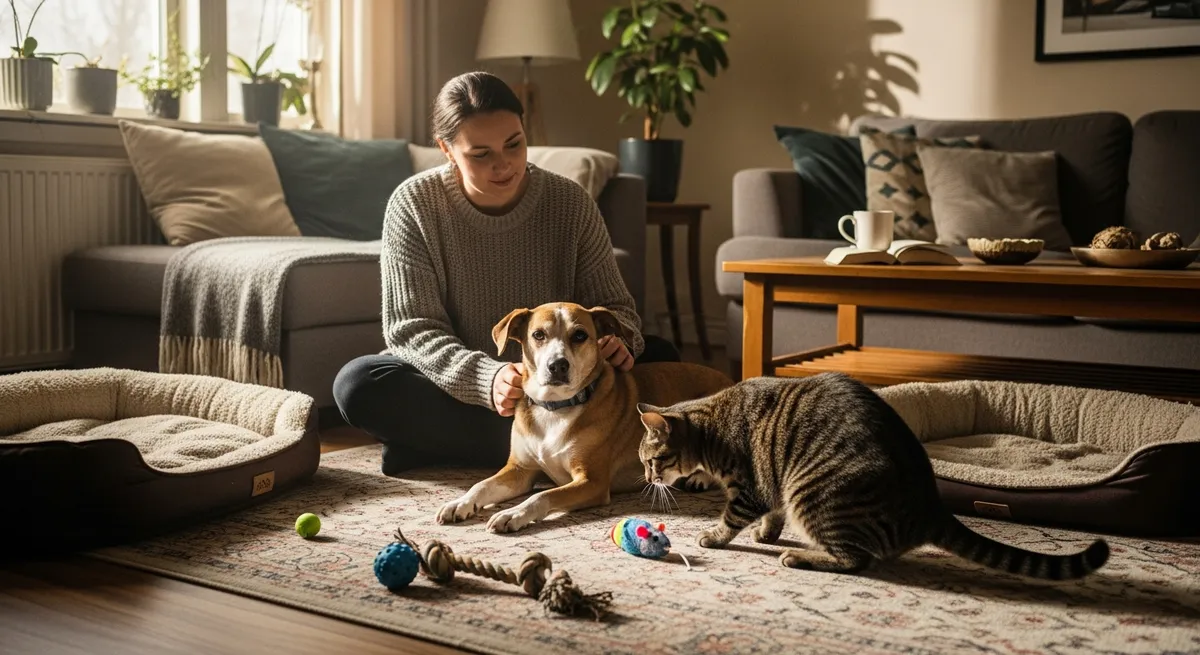
Fostering is one of the most important — and one of the most under-celebrated — roles in animal welfare. A foster home is the difference between a shelter operating at 110 percent capacity and one operating at 80 percent. It is the difference between a senior dog dying of stress in a kennel and the same dog dying peacefully in a soft bed. It is the difference between a litter of unweaned kittens being euthanized and the same litter going on to be adopted at eight weeks old. It is critical work, and it is also harder than the recruitment posters make it look. This is the honest version.
The Good
The good is real, and it is the reason fosters keep coming back.
- You save a life. Not in the abstract. A specific, named animal who would otherwise have been at risk goes from your house to a permanent home, and you were the bridge that made it possible.
- You see the transformation. A shut-down dog who would not make eye contact at the shelter starts wagging at you on day three. A feral kitten learns to purr in your lap. The change is visible, week by week.
- You meet incredible people. The shelter staff, the rescue coordinators, the other fosters, the veterinary team. Animal welfare is full of competent, dedicated people who become friends.
- You build skills. Bottle-feeding neonatal kittens, basic medication administration, decompression protocols, behavior modification — all of it is learnable, and fostering teaches it on the job.
- It costs you almost nothing. Most reputable foster programs cover food, supplies, medical care, and emergencies. Your contribution is time, space, and patience.
- You can foster occasionally, not constantly. A short-term medical hold (10 days), a kitten litter (8 weeks), a single adoption-pending placement (a weekend) — every one of these matters, and none of them require permanent commitment.
The good is enough to bring most fosters back for a second, third, fifteenth animal.
The Bad
The bad is real and worth knowing before you sign up.
- It is exhausting. Bottle-feeding kittens every 2 hours for the first weeks of their lives. A reactive dog who needs months of careful management. A senior with incontinence. The work is physical and emotional.
- There are accidents. Carpet stains, chewed shoes, scratched furniture, knocked-over lamps. Some of this is preventable; some is just the reality of a recovering animal in a new environment.
- It can disrupt your existing pets. Most foster programs require a separation period to avoid disease transmission and to manage stress for everyone. If you have a resident dog or cat, the dynamics matter.
- Vet trips are frequent. Even with the rescue covering bills, you are usually the one driving to and from the clinic.
- Schedules get rearranged. A foster kitten who starts crashing in the middle of your work week needs you, not your weekend.
- Goodbye is part of the deal. Foster animals leave for adoption. That is the goal. It is also genuinely hard.
This is the part fosters often discover in month two, after the recruitment glow wears off. It is doable; it is just real work.
The Ugly
The ugly is the part of fostering that the recruitment materials never mention. It is also the part that experienced fosters say is essential to know.
- Sometimes the foster animal does not survive. Neonatal kittens have high mortality even with excellent care. Parvovirus puppies sometimes lose the fight despite intensive treatment. Senior dogs sometimes go into hospice and die in your home. Coming home to find a kitten cold in their bed is a real foster experience, and it is brutal.
- Sometimes the behavior does not improve. A few foster animals turn out to have behavior or medical issues that no amount of fostering can fix. Some are returned to the shelter. A small number are euthanized for safety reasons after extensive evaluation. This is the hardest part of welfare work.
- Sometimes the rescue makes choices you disagree with. The rescue may approve an adopter you would not have chosen, decline one you would have, or make medical decisions you would have made differently. You are providing the home; the rescue is making the placement and treatment decisions.
- Sometimes you fail. The kitten dies on your watch, the dog bites a family member, the rescue terminates the placement. The grief is real. So is the second-guessing.
- The shelter system is broken in ways fostering cannot fix. Over-supply from backyard breeding, breed-specific legislation, housing restrictions, the slow grind of rural intake. You will see it. You cannot solve it. You can only do your one part.
Experienced fosters describe the ugly as the part that almost made them stop, and the part that ultimately made them better at the work. Going in with eyes open is the only honest way.
Who fostering is right for
Fostering is a strong fit if:
- You have predictable space and schedule for at least short-term placements (1 to 8 weeks).
- You have basic resilience for the goodbye.
- You can communicate clearly with the rescue or shelter about what you can and cannot handle.
- You are comfortable asking for help when something goes wrong.
- You have a vet relationship (your own pets' vet usually), or the rescue has one set up for you.
Fostering is a poor fit if:
- You expect every foster to "succeed" in adoption.
- You cannot let go at adoption time.
- You will not communicate honestly with the rescue when the placement is too much.
- Your existing pets cannot tolerate any disruption.
- You expect the rescue to operate on your schedule rather than the animals'.
Both lists are normal. People shift between them at different life stages.
Where to start
- Start with a short-term placement. A single weekend "adoption hold" or a 10-day medical recovery is a good first step. You learn the ropes without committing to months.
- Be honest about what you can take. Bottle-feeding kittens, large dogs, behavior cases, medical cases — they are all different jobs. Don't take a foster you are not equipped for; the animal pays the price.
- Read the fostering agreement carefully. Know what is covered, what is your responsibility, and what the rescue's adoption authority is.
- Find a rescue or shelter you trust. Local municipal shelters and reputable 501(c)(3) rescues are the best fit. Beware of "rescues" with no transparency, no medical record-keeping, or pressure tactics.
Where PawMates Pro fits in
Shelters and rescues running PawMates Pro coordinate foster placements through a foster home registry — fosters create profiles describing what they can take (size, species, age, medical complexity), and the shelter routes the right animals to the right homes. Each foster's notes on the animal's behavior, medical observations, and decompression progress are captured on the pet profile and travel with the animal into the eventual adopter's dashboard. That continuity matters: an adopter inheriting a foster's eight weeks of careful notes starts with a real picture rather than a behavioral blank slate.
For more on what travels with a returned pet's record, see the returned-pet FAQ. For other adopter content, see the 7-7-7 rule for adopted dogs, why cats hide after adoption, and common behavior issues after adoption. More resources on the PawMates blog.
Fostering is hard, important, rewarding work. If it sounds like you, talk to your local shelter. They need you.